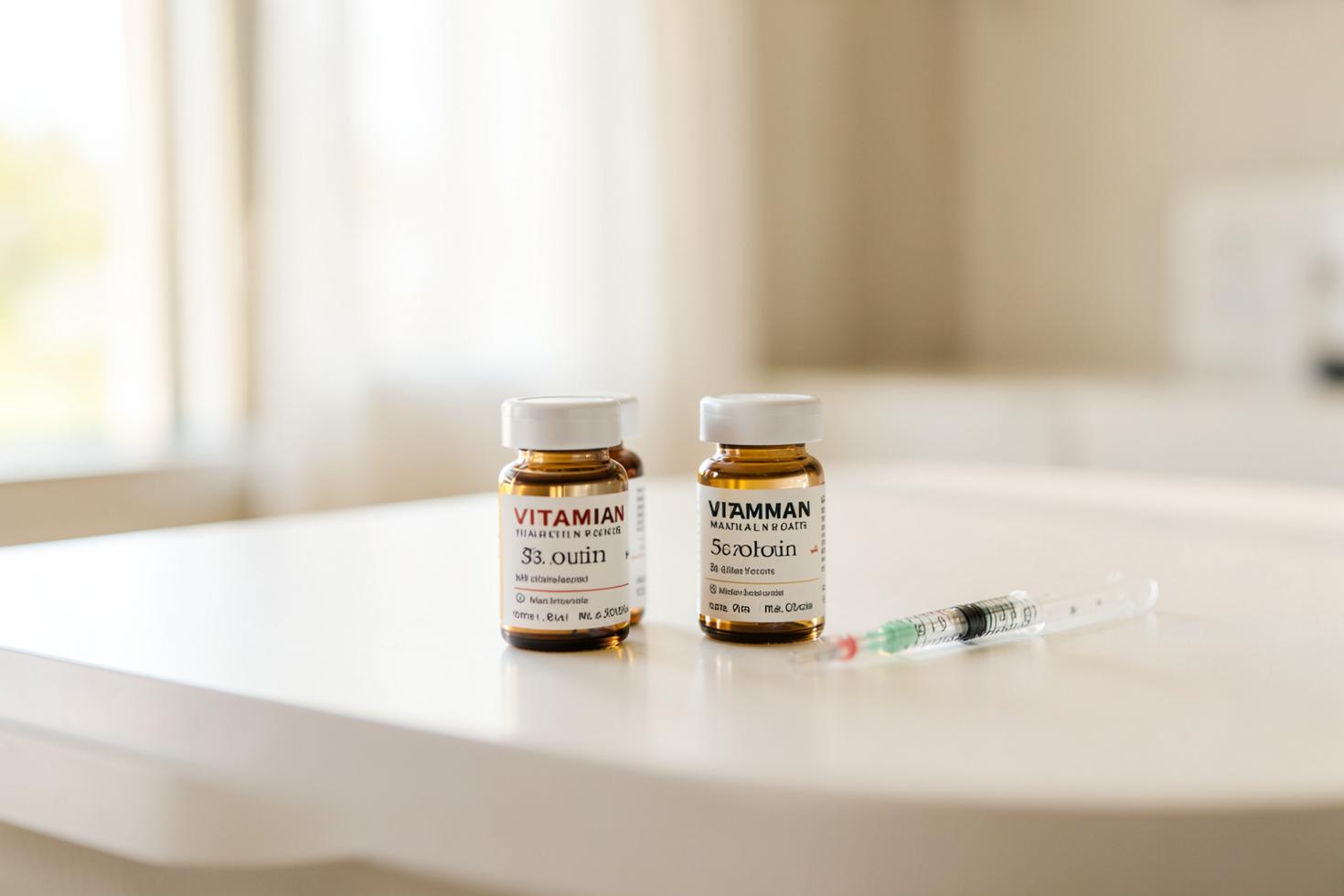
Chronic pain and persistent inflammation are among the most challenging health hurdles to overcome because they often lack a single, easily identifiable cause. Many patients in Stroudsburg, PA, and the surrounding Monroe County area find themselves caught in a cycle of using traditional anti-inflammatories or pain medications that only mask symptoms without addressing the underlying immune dysregulation. At Best Version of You, Simone Blount, FNP-BC, focuses on innovative approaches like low dose naltrexone (LDN) to help patients regain their quality of life. Unlike conventional pain management, LDN works by modulating the immune system and the body's natural opioid signaling to reduce the perception of pain and lower systemic inflammation. This therapy has become a cornerstone of our inflammation and pain support services, offering a potential path forward for those who have not found relief through traditional means.
Understanding Low Dose Naltrexone (LDN)
To understand what LDN is, it is helpful to first understand what it is not. Naltrexone is a medication originally approved by the FDA in the 1980s at high doses, typically 50mg to 100mg, to treat alcohol and opioid use disorders. At these high doses, the medication blocks opioid receptors completely, preventing the euphoric effects of these substances. However, low dose naltrexone refers to doses that are a fraction of the original amount, usually ranging from 0.5mg to 4.5mg. When used at these micro-doses, the pharmacological effect changes entirely. Instead of a continuous blockade, LDN provides a brief, temporary blockade of opioid receptors that triggers the body to produce more endogenous opioids, such as endorphins and enkephalins.
This temporary blockade and subsequent rebound effect are what make LDN so effective for chronic pain and inflammation. By increasing the production of natural endorphins, the body can better regulate pain signaling and dampen the overactive immune responses that lead to chronic inflammation. At Best Version of You, we utilize this mechanism to help patients across PA, NJ, NY, and DE manage complex conditions that have traditionally been difficult to treat. Because the dosage is so low, the side effect profile is significantly milder than that of the high-dose version, making it an accessible option for many individuals looking for a holistic approach to wellness. We often integrate LDN into a broader plan that may include peptide therapy or specific health supplements to ensure the body has all the resources it needs to heal.
The Role of LDN in Managing Inflammation and Autoimmune Conditions
One of the most exciting aspects of LDN is its ability to influence glial cells in the central nervous system. These cells act as the immune system of the brain; when they become overactivated, they produce pro-inflammatory cytokines that contribute to chronic pain, brain fog, and fatigue. LDN acts as a glial cell stabilizer, essentially turning down the volume on the central nervous system's inflammatory response. This is particularly beneficial for patients suffering from fibromyalgia, where the central nervous system is in a state of hyper-sensitization. By calming these glial cells, LDN can help reduce the widespread muscular pain and tenderness associated with the condition.
Beyond fibromyalgia, LDN is frequently used for autoimmune-related pain, such as that found in rheumatoid arthritis, Hashimoto’s thyroiditis, and Crohn’s disease. In these cases, the immune system is attacking the body's own tissues, leading to chronic localized and systemic inflammation. Because LDN helps balance the immune system rather than suppressing it entirely, it offers a safer long-term profile than many traditional immunosuppressants. Simone Blount, FNP-BC, works closely with patients through telehealth or in-person visits in Stroudsburg to determine if LDN is the right fit for their specific autoimmune profile. We often pair this treatment with metabolic lab testing to monitor inflammatory markers and ensure the therapy is working effectively at a cellular level.
LDN for Chronic Fatigue Syndrome and Mood Support
Chronic Fatigue Syndrome (CFS) is often linked to the same neuro-inflammatory pathways as chronic pain. Patients with CFS frequently report a heavy sense of exhaustion that does not improve with rest, often accompanied by cognitive impairment or "brain fog." By reducing neuro-inflammation, LDN can help improve energy levels and mental clarity in these individuals. Furthermore, because LDN increases the levels of endorphins—the body's natural "feel-good" chemicals—many patients report an improvement in their overall mood and sense of well-being. This dual action on both physical pain and emotional health makes it a versatile tool in our inflammation and pain support protocols.
Dosing Strategy: The "Low and Slow" Approach
When starting LDN, the most important principle is to start with a very low dose and increase it gradually. This is often referred to as the "low and slow" method. Most patients begin at a dose as low as 0.5mg or 1.5mg, taken once daily, usually at bedtime. The reason for nighttime dosing is to align the medication's temporary receptor blockade with the body's natural peak of endorphin production, which occurs in the early morning hours. By blocking the receptors briefly overnight, the body responds by flooding the system with endorphins just as the patient is waking up. Simone Blount, FNP-BC, carefully monitors this titration process to ensure the patient tolerates the medication well.
We typically increase the dose every few weeks, depending on the patient's feedback and symptom improvement. The goal is to find the "sweet spot" where the patient experiences maximum benefit with minimal side effects, which for most people falls between 3.0mg and 4.5mg. However, some patients find their optimal relief at even lower doses. This personalized approach is a hallmark of the care at Best Version of You. We recognize that every patient in the Poconos and beyond has a unique biochemical makeup, and their treatment for medical weight loss or chronic pain must reflect that individuality. Success with LDN requires patience, as it is not an overnight fix but rather a gradual modulation of the immune system.
What to Expect: A Month-by-Month Timeline
In the first month of LDN therapy, most patients are in the titration phase. During this time, the primary goal is to establish a baseline and ensure there are no adverse reactions to the starting dose. Some patients may notice subtle improvements in their sleep quality or a slight reduction in day-to-day soreness, but it is equally common to feel very little change during these first four weeks. It is important to stay consistent and not become discouraged, as the physiological changes triggered by LDN take time to manifest. We encourage patients to keep a symptom journal during this period to track even minor shifts in energy or pain levels.
By months two and three, the dose is usually approaching the target range, and many patients begin to notice more significant benefits. For those with fibromyalgia, this might mean fewer "flares" or a reduction in the intensity of widespread pain. Patients with autoimmune conditions may see a decrease in joint swelling or an improvement in digestive symptoms. This is often the stage where the cumulative effect of increased endorphins and reduced cytokine production becomes apparent. During this time, Simone Blount, FNP-BC, may adjust the protocol or suggest complementary wellness injections to support the body's healing processes.
Beyond the three-month mark, LDN typically reaches its full therapeutic potential. At this stage, the focus shifts to maintenance and long-term management of inflammation. Many patients report that their "baseline" of health has shifted, meaning they have more good days than bad and are able to engage in physical activities that were previously too painful. Long-term use of LDN is generally considered safe, provided the patient continues regular monitoring and metabolic lab testing. Our practice in Stroudsburg, PA, remains a partner in this journey, providing ongoing support through our telehealth platform for residents across the tri-state area.
Potential Side Effects and Safety Considerations
While LDN is generally very well-tolerated, it is not without potential side effects. The most commonly reported issue is vivid dreaming or mild insomnia, particularly during the first week of treatment or after a dose increase. Because LDN affects the opioid receptors in the brain, it can temporarily alter sleep architecture. Most patients find that these sleep disturbances resolve on their own within a few days. If sleep issues persist, Simone Blount, FNP-BC, may recommend moving the dose to the morning, which often solves the problem without sacrificing the medication's efficacy for pain and inflammation.
Other less common side effects can include mild headaches, nausea, or a temporary increase in anxiety. These are usually transient and can be managed by adjusting the titration schedule. It is crucial to note that LDN cannot be taken concurrently with opioid pain medications. Because LDN blocks the opioid receptors, it can trigger acute withdrawal symptoms in individuals who are physically dependent on opioids, or it can simply render the pain medication ineffective. We perform a thorough review of all current medications during the initial consultation to ensure that LDN is a safe and appropriate choice for your inflammation and pain support plan.
Monitoring and Long-Term Success at Best Version of You
Success with LDN is not just about the prescription; it is about the comprehensive care and monitoring that follows. At Best Version of You, we believe in a holistic approach to health that addresses the root causes of dysfunction. This includes regular check-ins to evaluate the effectiveness of the therapy and making adjustments as needed. We also emphasize the importance of lifestyle factors, such as nutrition and stress management, which play a significant role in systemic inflammation. Our patient-centered model ensures that you are never just a number, but a partner in your own wellness journey.
For our patients in Stroudsburg, PA, and those utilizing our telehealth services in NY, NJ, and DE, we provide a streamlined process for obtaining LDN. Since LDN is a compounded medication, we work with reputable compounding pharmacies to ensure you receive a high-quality, accurately dosed product. We also offer various membership options to make ongoing care more accessible. Whether you are seeking help for fibromyalgia, chronic fatigue, or simply looking to optimize your health, Simone Blount, FNP-BC, is dedicated to helping you achieve the best version of yourself through evidence-based, compassionate care.
Preparing for Your LDN Consultation at Best Version of You
Your journey toward managing chronic pain begins with a comprehensive evaluation at our Stroudsburg, PA office or via our secure /telehealth platform. Simone Blount, FNP-BC, takes a deep dive into your medical history, current symptoms, and previous attempts at pain management to determine if Low Dose Naltrexone is the right path for you. Unlike traditional settings where appointments may feel rushed, we prioritize a thorough understanding of your unique inflammatory markers and health goals. This initial visit is an opportunity to discuss how LDN interacts with your current medications and what specific outcomes you hope to achieve. We aim to create a supportive environment where your concerns are heard and validated.
To ensure the most accurate assessment, we often recommend /metabolic-lab-testing prior to or during your first visit. These labs help Simone Blount, FNP-BC, identify underlying triggers for your discomfort, such as high levels of C-reactive protein or hormonal imbalances. By looking at the full picture of your internal health, we can tailor the LDN protocol to your body’s specific needs rather than using a one-size-fits-all approach. Patients are encouraged to bring a list of all current supplements and prescriptions to this consultation. This preparation allows us to safely integrate LDN into your wellness routine while avoiding potential contraindications.
Integrating Lifestyle Foundations for Optimal Results
While Low Dose Naltrexone is a powerful tool for modulating the immune system, its effectiveness is significantly enhanced when paired with a solid foundation of wellness. At Best Version of You, we believe that medication works best in harmony with a nutrient-dense diet and proper sleep hygiene. Simone Blount, FNP-BC, often discusses anti-inflammatory nutrition strategies that complement the mechanism of LDN. By reducing processed sugars and common allergens, you provide your body with the environment it needs to lower systemic inflammation more efficiently. We view LDN as one piece of a larger puzzle in your /inflammation-pain-support plan.
Hydration and gentle movement also play critical roles in how your body processes and responds to LDN therapy. Chronic pain often leads to a sedentary lifestyle, which can further stiffen joints and increase discomfort over time. As the LDN begins to reduce your pain levels, we work with you to gradually reintroduce physical activity that feels safe and sustainable. Our goal is to help you regain the mobility needed to enjoy the outdoor beauty of the Poconos or simply manage daily tasks with greater ease. Focusing on these lifestyle pillars ensures that the benefits of LDN are long-lasting and transformative.
Common Myths and Clarifying Misconceptions About LDN
A frequent misconception is that LDN behaves the same way as standard doses of Naltrexone used for addiction recovery. At the low doses prescribed for pain and inflammation, the medication acts as an immunomodulator rather than a complete opioid antagonist. It does not cause the same level of receptor blockade, which is why it can be used for long-term chronic condition management. Simone Blount, FNP-BC, focuses on educating patients about this distinction to alleviate any concerns about the nature of the medication. Understanding the science behind the "rebound effect" of endorphins helps patients appreciate why the low-dose approach is so effective.
Synergistic Therapies: Pairing LDN with Other Wellness Services
Many of our patients find that LDN works exceptionally well when combined with other services offered at Best Version of You. For those struggling with systemic inflammation that affects weight, integrating /medical-weight-loss protocols can provide a dual approach to improving metabolic health. Reducing adipose tissue further lowers the inflammatory load on the body, which may allow the LDN to work more effectively at lower doses. Simone Blount, FNP-BC, monitors these overlapping treatments closely to ensure they are working in synergy toward your overall health.
In addition to LDN, we often explore /peptide-therapy or targeted /wellness-injections to support tissue repair and energy levels. While LDN addresses the immune system's signaling, peptides can help with cellular recovery and growth hormone optimization. This multi-faceted strategy is particularly beneficial for patients in PA, NJ, NY, and DE who are dealing with complex autoimmune presentations or fibromyalgia. By combining these advanced therapies, we address the root causes of pain from multiple biological angles. Our practice is dedicated to providing a comprehensive toolkit for those who have not found relief through conventional methods.
Who Should Avoid LDN: Understanding Contraindications
While LDN is generally well-tolerated, it is not suitable for every patient, and safety is our primary concern. The most significant contraindication is the concurrent use of opioid pain medications. Because Naltrexone, even in low doses, blocks opioid receptors, it can precipitate acute withdrawal symptoms in individuals currently taking narcotic pain relievers. Simone Blount, FNP-BC, requires a full disclosure of all pain management medications to ensure a safe transition if LDN is being considered. We also exercise caution with patients who have recently undergone major surgery requiring opioid anesthesia.
Patients with acute liver failure or those who are currently pregnant or breastfeeding should also consult extensively before starting LDN. While the dosage is small, we always prioritize the most conservative and safe approach for these populations. During your /how-it-works overview, we will discuss these safety boundaries in detail. If LDN is not a fit for your current health status, Simone Blount, FNP-BC, will work with you to find alternative /inflammation-pain-support options that align with your safety profile and health goals.
Logistics and Accessibility for Patients in the Tri-State Area
Best Version of You is proud to serve a diverse patient base across Pennsylvania, New Jersey, New York, and Delaware. For local residents in Stroudsburg and the surrounding Poconos region, in-person visits offer a personal touch and the opportunity for immediate diagnostic testing. However, we understand that chronic pain can make travel difficult, which is why our /telehealth services are a cornerstone of our practice. You can receive expert guidance from Simone Blount, FNP-BC, from the comfort of your home, ensuring that your treatment remains consistent regardless of your location.
Managing your prescriptions and follow-up care is streamlined through our patient portal and membership options. We provide clear information on /pricing-membership to help you plan for your long-term wellness journey without hidden costs. Our team handles the coordination with specialized compounding pharmacies that are experienced in preparing precise LDN doses. Whether you are visiting us in Stroudsburg or connecting virtually from NY or DE, you can expect the same high standard of clinical care and personalized attention. We are committed to making advanced therapies like LDN accessible and manageable for all our patients.
Frequently asked questions
- What is the main difference between LDN and standard naltrexone?
- LDN is typically used at doses between 0.5mg and 4.5mg, whereas standard naltrexone for addiction is 50mg to 100mg. At low doses, it acts as an immune modulator and increases endorphins, rather than just blocking opioid receptors.
- Are there side effects to low dose naltrexone?
- The most common side effects include vivid dreams, mild insomnia, and occasional headaches. These usually occur during the initial titration phase and often resolve within a few days as the body adjusts to the medication.
- Can I take LDN with my current opioid pain medications?
- No, LDN should not be taken with opioid-based pain medications like oxycodone or hydrocodone. Doing so can cause the opioid to be ineffective or may trigger withdrawal symptoms because LDN competes for the same receptors.
- How long does it take for LDN to start working?
- While some patients notice subtle changes within the first few weeks, it typically takes three to four months to see the full therapeutic benefits. Patience is key as the medication gradually modulates the immune system.
- What conditions is LDN most effective for?
- LDN is commonly used for fibromyalgia, chronic fatigue syndrome, rheumatoid arthritis, Hashimoto’s thyroiditis, and other inflammatory or autoimmune conditions. It is also explored for its neuroprotective effects in various neurological disorders.
- Why is LDN usually taken at night?
- LDN is most often taken at night to capitalize on the body's natural cycle of endorphin production. However, if a patient experiences significant insomnia, Simone Blount, FNP-BC, may recommend taking it in the morning.
- Is LDN addictive or habit-forming?
- LDN is not considered addictive, and there are no known withdrawal symptoms when stopping the medication. However, we always recommend consulting with your provider before making any changes to your treatment plan.
- Can I get an LDN prescription through telehealth?
- Yes, we provide LDN consultations and ongoing management via telehealth for residents of Pennsylvania, New Jersey, New York, and Delaware. This allows you to receive expert care from the comfort of your home.
Talk it through with Simone
Comprehensive labs, a one-on-one review and a plan built for you — in person in Stroudsburg, PA or by telehealth in PA, NJ, NY and DE.
Book Today