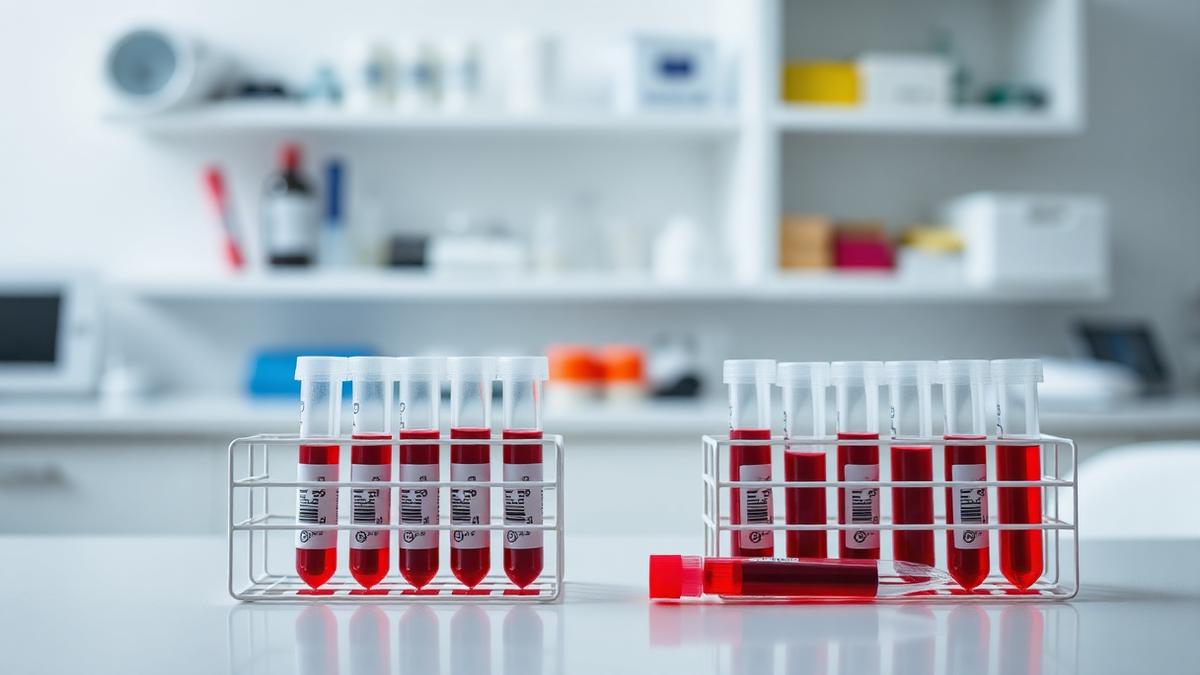
Before starting medical weight loss, most patients should have baseline labs that include A1c, fasting glucose and insulin, a comprehensive metabolic panel, a lipid panel, and thyroid testing. Hormone markers, vitamin D, and iron studies are added when symptoms point that way. These results confirm that treatment is safe, uncover the reasons weight has been hard to lose, and create a baseline for measuring real progress.
Why labs matter before weight loss treatment
Weight is a symptom, not a diagnosis. Two people at the same weight can have completely different biology behind it: one with significant insulin resistance, another with an untreated thyroid condition, a third dealing with perimenopause and chronic sleep loss. Prescribing before testing means guessing.
Labs also protect you. Kidney function, liver enzymes, and blood counts influence which medications are appropriate and at what pace. Starting a medication without those numbers removes a safety layer that costs one blood draw.
Common labs a provider may review
A typical baseline includes A1c for three-month average blood sugar, fasting glucose and fasting insulin to assess insulin resistance, a comprehensive metabolic panel for kidney and liver function and electrolytes, a lipid panel, and a complete blood count. Many patients also benefit from vitamin D, B12, ferritin, and a thyroid panel.
Our metabolic lab testing and review service explains how these panels are ordered locally and reviewed with you line by line rather than handed over as a portal notification.
When thyroid or hormone testing may matter
If you have fatigue, cold intolerance, hair thinning, constipation, or a family history of thyroid disease, thyroid testing belongs in the baseline. For women in their late thirties and beyond, cycle changes, night sweats, sleep disruption, and mood shifts may warrant a hormone conversation alongside weight — see hormone therapy for women.
For men with low energy, low libido, reduced strength, or poor recovery, morning testosterone testing is appropriate before assuming weight is the only problem. Details are on the testosterone therapy page.
How lab results can change your treatment plan
High fasting insulin with a normal glucose may push a plan toward medications and nutrition strategies that target insulin resistance directly. An abnormal thyroid may need correcting first, or at least alongside. Low vitamin D or ferritin can explain fatigue that would otherwise be blamed on the diet.
Results can also rule things out, which is its own kind of progress. Knowing that your thyroid and kidneys are fine narrows the conversation to appetite regulation, muscle mass, sleep, and consistency.
What labs can reveal about weight loss resistance
Patients who describe doing everything right and getting nowhere frequently have a measurable reason: insulin resistance, hypothyroidism, low testosterone, perimenopausal hormone shifts, medication side effects, or a combination. Labs turn a frustrating story into a treatable list.
What to expect during a metabolic lab review
You get a plain-language walkthrough of every marker, what is optimal versus merely in range, which numbers explain your symptoms, and what we plan to recheck and when. You leave knowing what is being treated and how we will measure whether it worked. See how it works for the visit sequence.
Get your baseline before you start
Ready for a plan built around your labs, your symptoms, and your life? Book Today with Simone Blount, FNP-BC, in Stroudsburg, PA or by telehealth across PA, NJ, NY, and DE.
Frequently asked questions
- Do I need fasting labs before starting a GLP-1?
- Fasting is preferred for insulin, glucose, and lipid accuracy. A1c and thyroid studies do not require fasting. We tell you exactly which panel needs fasting so you only have to plan around it once.
- Can I use recent labs from my primary care doctor?
- Often yes. Results within roughly the last three to six months are frequently usable, especially a full metabolic panel and A1c. We may still add markers that routine physicals skip, such as fasting insulin or a fuller thyroid panel.
- Will thyroid problems show up on weight loss labs?
- A thyroid panel can reveal hypothyroidism or a borderline pattern that makes weight loss harder. If your TSH is abnormal, we look further before assuming a weight loss medication is the whole answer. See [subclinical hypothyroidism and weight loss](/blog/subclinical-hypothyroidism-and-weight-loss).
- How long do lab results take to come back?
- Most standard panels return within a few business days. Specialty hormone testing can take longer. We schedule your review visit once results are in so you get interpretation, not just a PDF.
- Are weight loss labs covered by insurance?
- Many diagnostic labs are billable to insurance when medically indicated, and superbills are available for out-of-network reimbursement. Coverage varies by plan and deductible — see [insurance questions to ask](/blog/insurance-cover-weight-loss-labs-medications).
Talk it through with Simone
Comprehensive labs, a one-on-one review and a plan built for you — in person in Stroudsburg, PA or by telehealth in PA, NJ, NY and DE.
Book Today