Most GLP-1 side effects can be reduced with a few practical changes: eat smaller portions slowly, put protein first, sip fluids consistently through the day, add fiber and movement for constipation, avoid greasy meals and alcohol around injection day, and hold each dose long enough before increasing. Severe or persistent symptoms are different — those need a provider, not a workaround.
Why GLP-1 side effects happen
These medications slow gastric emptying and change gut signaling. That is the same mechanism responsible for the appetite benefit, which is why some sensation of fullness is expected. Trouble starts when portion sizes, eating speed, or fluid intake have not adjusted to the new pace of digestion.
Tips for nausea and stomach discomfort
Smaller and more frequent meals usually beat two or three large ones. Eat slowly and stop at the first clear signal of fullness, because on a GLP-1 that signal arrives before you would expect and pushing past it is what triggers nausea hours later.
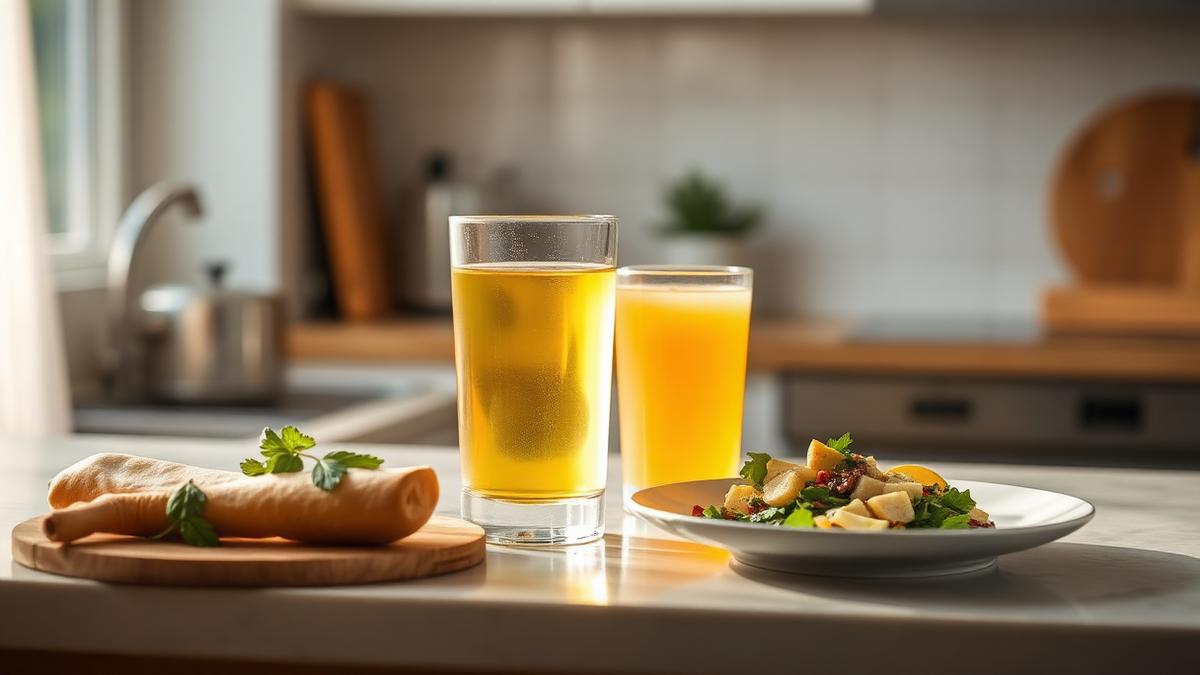
Bland, lower-fat, protein-forward foods tend to be tolerated best in the days after a dose increase. Ginger tea, cold water, and staying upright after meals help some patients. If nausea always lands on the same days, timing your injection so those days fall on a lighter schedule can make the month easier.
What can help with constipation
Aim for steady fluid, gradually increased fiber from vegetables, beans, and fruit, and daily walking. Magnesium or a gentle stool softener may be appropriate for some patients — worth asking about rather than layering on stimulant laxatives indefinitely.
Constipation left untreated leads people to eat less, which lowers protein intake and makes fatigue worse. Fixing it usually improves several complaints at once.
How to adjust meals to feel better
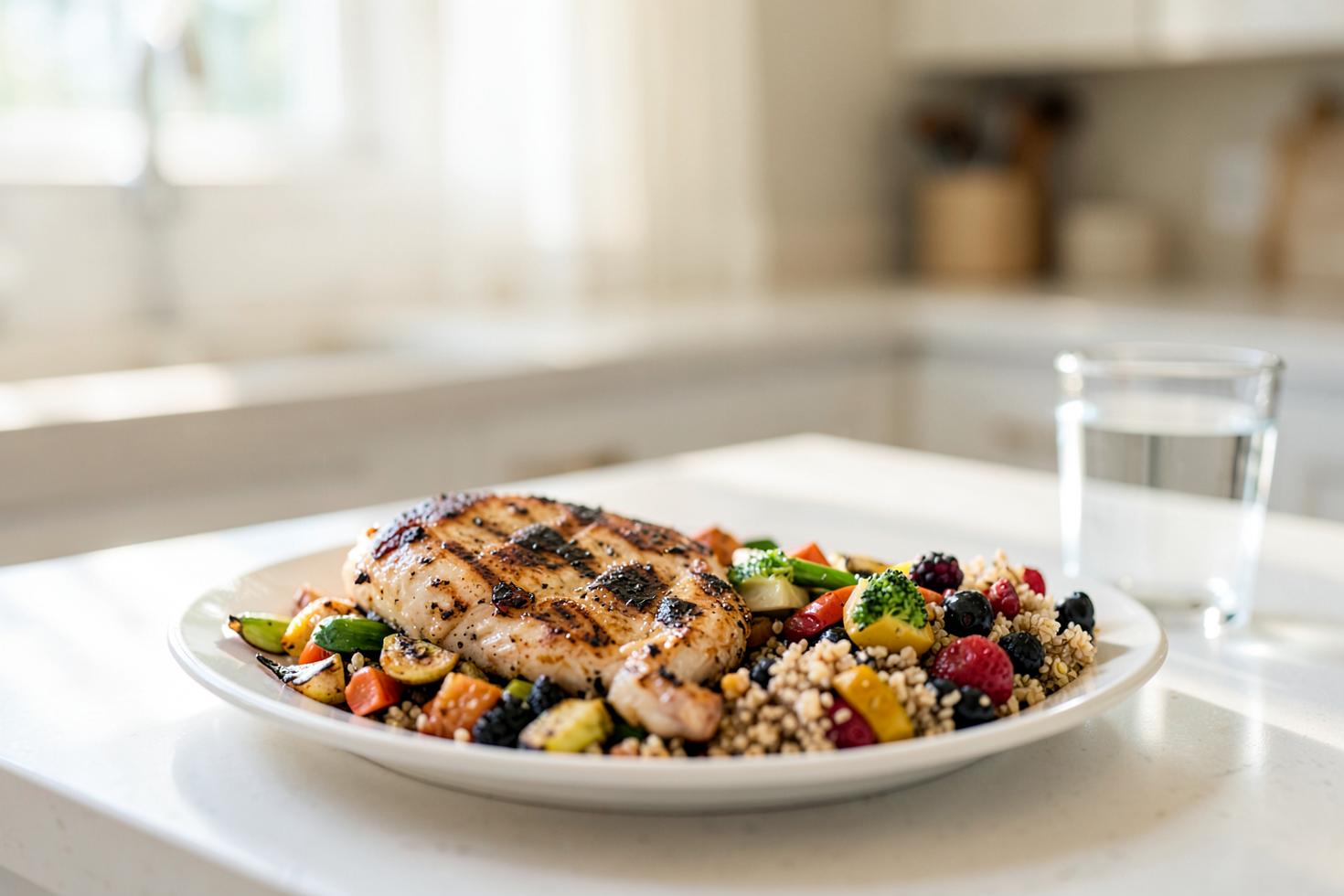
Build the plate around protein, add fiber-rich plants, and keep added fat moderate on the days you feel most sensitive. Drink between meals rather than filling your stomach with liquid during them. Detailed guidance is in what to eat while taking a GLP-1.
Red flags that should not be ignored
Severe abdominal pain, repeated vomiting, inability to keep fluids down, upper right abdominal pain radiating to the back or shoulder, yellowing of the eyes or skin, or symptoms of dehydration such as dizziness and very dark urine all warrant prompt medical attention. These are uncommon, but they are the reason supervised care matters.
Why ongoing provider support matters
A supervised plan can slow titration, hold a dose, change medication, treat constipation properly, or investigate a symptom that does not fit the pattern. Programs that ship a pen with no follow-up leave you managing all of that alone. Our approach is outlined on GLP-1 medical weight loss and how it works.
Get side effects managed, not endured
Ready for a plan built around your labs, your symptoms, and your life? Book Today with Simone Blount, FNP-BC, in Stroudsburg, PA or by telehealth across PA, NJ, NY, and DE.
Frequently asked questions
- How long do GLP-1 side effects last?
- Most nausea and fullness peak in the two to four days after a dose increase and settle as your body adapts. Side effects that persist for weeks, worsen, or keep you from eating and drinking should be reported rather than tolerated.
- What foods make nausea worse on semaglutide?
- Fried and heavily greasy foods, very large portions, rich creamy dishes, and alcohol are the usual offenders. Many patients do better with smaller, simpler, protein-forward meals and by stopping at comfortably satisfied rather than full.
- Is bloating normal on tirzepatide?
- Mild bloating and burping are common because the stomach empties more slowly. Persistent bloating with constipation, severe pain, or vomiting is not routine and should be evaluated.
- Can dehydration make side effects worse?
- Yes. Reduced thirst and lower intake can leave you dehydrated, which intensifies nausea, headaches, fatigue, dizziness, and constipation. Steady fluid through the day is one of the highest-yield fixes.
- When should I call my provider?
- Call for severe or persistent abdominal pain, repeated vomiting, signs of dehydration, or pain in the upper right abdomen radiating to the back or shoulder. Those can signal pancreatitis or gallbladder problems and need prompt assessment.
Talk it through with Simone
Comprehensive labs, a one-on-one review and a plan built for you — in person in Stroudsburg, PA or by telehealth in PA, NJ, NY and DE.
Book Today