Belly fat during perimenopause and menopause is driven by falling estrogen shifting fat storage toward the abdomen, age-related muscle loss, disrupted sleep, higher stress, and increasing insulin resistance. Dieting harder rarely fixes it. What tends to help is protecting muscle with protein and strength training, treating sleep and hormone symptoms, and medical support when it is appropriate.
Why belly fat often increases during menopause
Many women notice their body composition changing before the scale does — the same weight distributed differently, waistbands tighter, familiar clothes fitting oddly. That is the visceral shift, and it happens for physiological reasons rather than a lapse in discipline.
Visceral fat matters beyond appearance. It is more metabolically active and associated with insulin resistance and cardiovascular risk, which is why it deserves attention rather than resignation.
The role of estrogen, sleep, and stress
Estrogen influences fat distribution, insulin sensitivity, and muscle maintenance. As levels fall and fluctuate, storage patterns change. At the same time hot flashes and night sweats fragment sleep, and poor sleep raises appetite signaling and reduces glucose tolerance the next day.
Add work and caregiving stress and you have a stack of factors that all push the same direction. Treating them individually is more effective than trying to out-discipline the whole pile.
Why dieting harder often does not work
Aggressive calorie restriction without adequate protein accelerates muscle loss, and less muscle means lower daily energy expenditure. Many women in midlife have already been through several rounds of this, which is part of why progress feels harder each time.
What lifestyle changes actually help
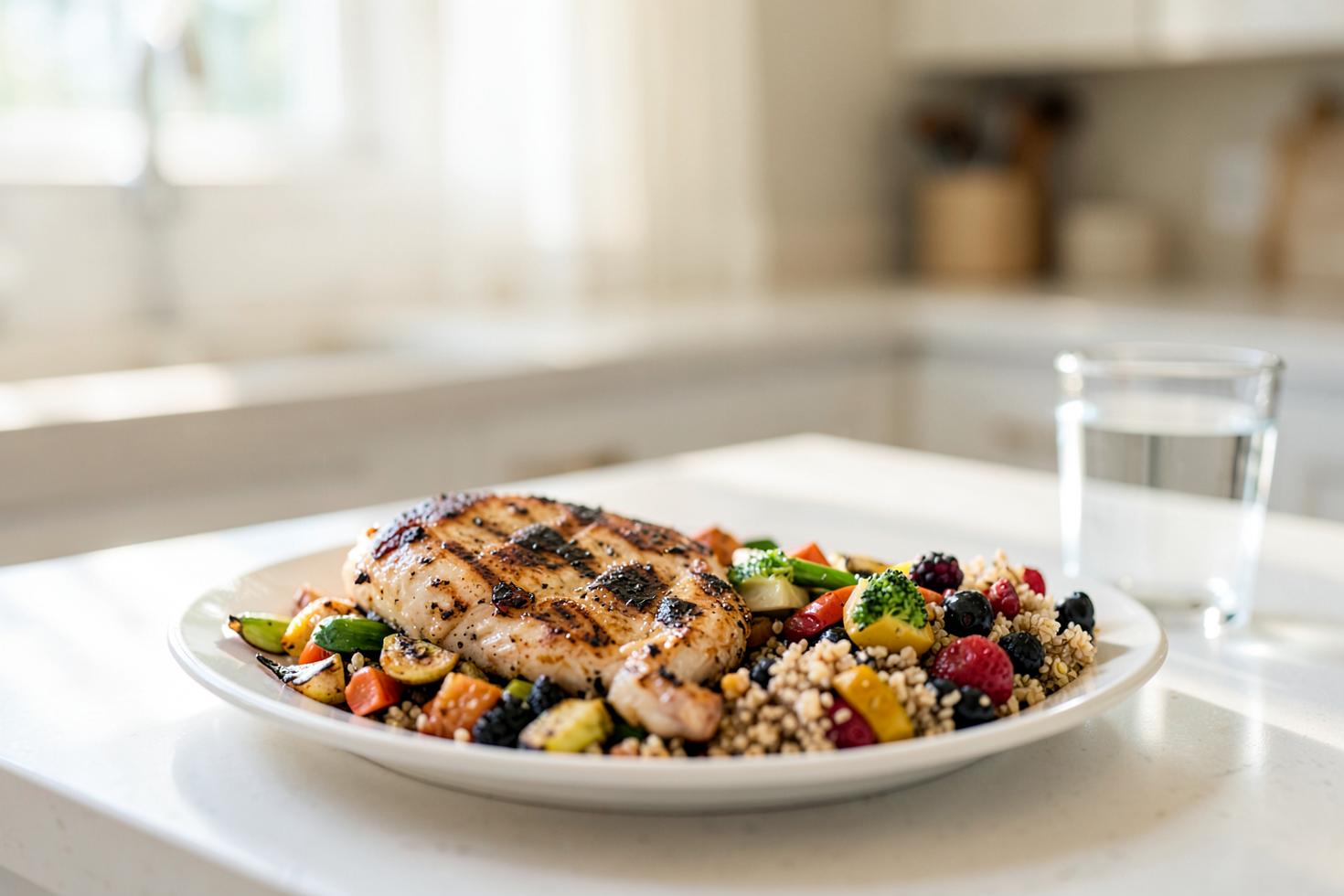
Resistance training two to three times weekly is the highest-value change most women can make in this stage. Add protein at each meal, fiber-rich plants, regular walking, and a genuine effort to protect sleep. These are not glamorous, but they are what reliably change body composition.
When hormone evaluation may make sense
If hot flashes, night sweats, sleep disruption, mood changes, vaginal dryness, or cycle changes are affecting your life, an evaluation is reasonable. Hormone therapy for women explains how candidacy is assessed and what monitoring looks like. Thyroid and insulin markers belong in the same workup — see metabolic lab testing.
When medical weight loss support may help
For women who meet clinical criteria and have addressed the basics, GLP-1 medical weight loss can be an effective addition — best used alongside protein, strength training, and hormone care rather than instead of them.
Get evaluated for what is actually driving it
Ready for a plan built around your labs, your symptoms, and your life? Book Today with Simone Blount, FNP-BC, in Stroudsburg, PA or by telehealth across PA, NJ, NY, and DE.
Frequently asked questions
- Is belly fat during menopause normal?
- A shift of fat toward the midsection is very common during and after the menopause transition, even without much change on the scale. Common does not mean it must be accepted — it responds to targeted changes.
- Can HRT help with menopause-related weight gain?
- Hormone therapy is prescribed primarily for symptom relief, not weight loss. Some patients find that better sleep and fewer hot flashes make healthy habits easier, which indirectly supports body composition. Research on fat distribution is mixed.
- Why does weight shift to the midsection?
- Declining estrogen changes where the body stores fat, favoring visceral fat around the organs over hips and thighs. Age-related muscle loss and reduced activity compound the effect.
- Are GLP-1s used in menopausal weight gain?
- They can be appropriate for women who meet clinical criteria, alongside protein, strength training, and evaluation of hormones and thyroid. Medication works better when the underlying picture is addressed too.
- When should I get hormone labs checked?
- If you have irregular cycles, hot flashes, night sweats, sleep disruption, mood changes, or new midsection weight gain in your forties or fifties, it is a reasonable time to be evaluated. Try the quizzes on our [resources](/resources) page as a starting point.
Talk it through with Simone
Comprehensive labs, a one-on-one review and a plan built for you — in person in Stroudsburg, PA or by telehealth in PA, NJ, NY and DE.
Book Today