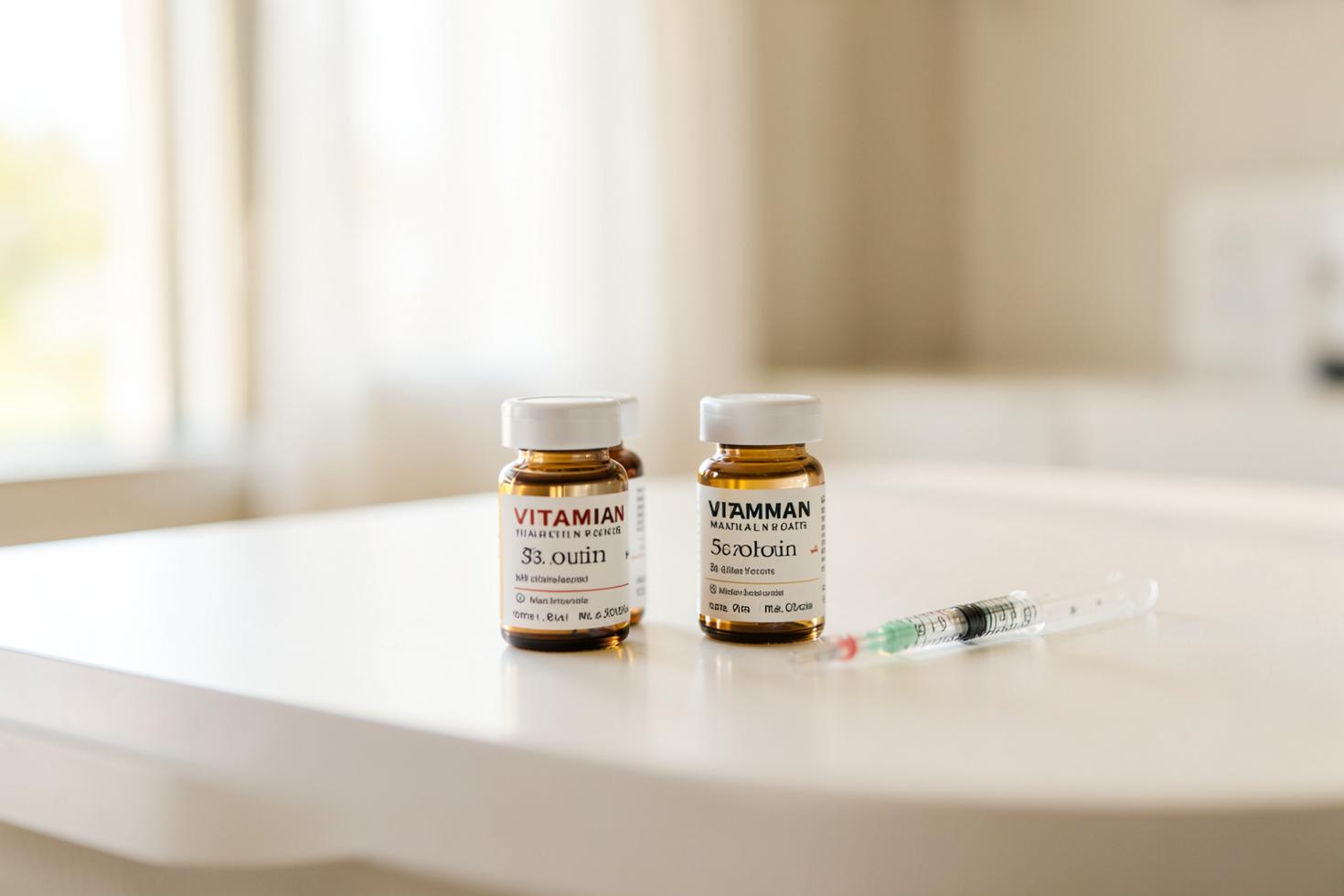
If you have been searching for care that treats fatigue, stubborn weight, low libido, brain fog or chronic pain as connected problems rather than separate complaints, this guide is the map. Best Version of You is a metabolic and hormone practice led by Simone Blount, FNP-BC, based at 556 Main St, Suite 113 in Stroudsburg, PA, with telehealth visits available across Pennsylvania, New Jersey, New York and Delaware. Below is every service we currently offer, who it tends to help, what a visit actually looks like, and how the pieces fit together.
The short version: we start with comprehensive labs and a real conversation, then build a plan from whichever of these eight services fits your body and goals. Nothing here is a package you have to buy into. Most patients begin with one service and add another later, if it makes sense.
1. GLP-1 Medical Weight Loss and Nutrition
Medical weight loss is the reason many patients find us. GLP-1 medical weight loss uses medications in the GLP-1 and dual-agonist families — semaglutide and tirzepatide — to reduce appetite signaling, slow gastric emptying and quiet the constant mental chatter about food that many people call food noise.
These medications are effective, but they are not the whole plan. Rapid weight loss without adequate protein and resistance training costs you muscle, which is the tissue that keeps your metabolism resilient. So every weight loss plan here includes nutrition coaching: protein targets, fiber, hydration, meal structure and strength training guidance. We monitor dosing carefully and titrate slowly, because most side effects are dose-escalation problems rather than drug-tolerance problems.
For patients who are not candidates for GLP-1 therapy, or who prefer an oral option, we also offer phentermine weight loss. Phentermine is a short-term appetite suppressant with a decades-long track record, and it can be a sensible starting point when cost, supply or medical history rules out injectables.
Insurance can sometimes be used for medications and labs, and we provide superbills so you can seek reimbursement where your plan allows. Costs depend on your plan and the medication, which is one of the things we sort out during your consultation rather than guessing at online.
2. Hormone Replacement Therapy for Women
Perimenopause often begins years before periods stop, and it rarely announces itself politely. Sleep fragments. Anxiety appears out of nowhere. Weight settles around the midsection despite unchanged habits. Cycles become unpredictable. Joints ache. Libido drops. Many women are told this is simply aging.
Hormone therapy for women addresses those symptoms directly. Simone is a member of The Menopause Society and manages estradiol, progesterone and — when appropriate — low-dose testosterone for women, with attention to your personal and family history, cardiovascular risk and cancer history. Treatment decisions are made from symptoms first, labs second, because hormone levels fluctuate hour to hour in perimenopause and a single number rarely tells the whole story.
The typical age range for these conversations is the late thirties through the sixties, though there is no age at which symptoms stop being worth treating. If you are unsure whether what you are feeling is hormonal, the peri + menopause hormone quiz on our resources page is a reasonable first pass.
3. Testosterone Therapy for Men
Low testosterone shows up as more than low libido. Men describe flat mood, loss of drive, worse recovery from workouts, increasing belly fat despite training, poor sleep, irritability and erectile difficulty. Testosterone therapy for men begins with morning blood draws — testosterone is highest early in the day — plus free testosterone, estradiol, LH, FSH, prolactin, PSA where age-appropriate, a complete blood count and a metabolic panel.
If treatment is appropriate, we discuss delivery method based on your lifestyle and absorption: intramuscular or subcutaneous injections, topicals, or pellets. Monitoring is not optional. We recheck hematocrit, estradiol, PSA and symptom response on a defined schedule and adjust from there. Fertility goals matter and change the plan, so bring that up early.
Sexual health concerns often travel with low testosterone, and we treat them alongside it — see erectile dysfunction and sexual health for how that care is structured for both men and women.
4. Peptide Therapy
Peptide therapy uses short chains of amino acids that act as signaling molecules — telling the body to release growth hormone, repair tissue or modulate inflammation. Growth-hormone secretagogues such as sermorelin and tesamorelin are the most commonly discussed, generally for sleep quality, recovery, body composition and visceral fat.
Peptides are an area where marketing runs far ahead of evidence, so our approach is deliberately conservative. We use them for defined goals, with a defined trial period and a clear way to judge whether they are working. If a peptide is not doing what we hoped after a fair trial, we stop it. Peptides also work best as an addition to a foundation that already includes adequate protein, sleep, training and, where relevant, hormone optimization — not as a substitute for those.
5. Wellness Injections
Wellness injections are targeted nutrient and lipotropic injections given in office. The menu includes MIC B12 for energy and fat metabolism support, lipo-mino, tri-immune for immune support, glutathione, and NAD+ for cellular energy and cognitive clarity.
We do not offer IV hydration. That is a deliberate choice: for most healthy adults, an intramuscular injection delivers what is actually needed without the cost, time and access risks of an IV. Injections are most useful when they correct something real — a documented B12 deficiency, for example — or support a specific goal alongside your broader plan. They are a supporting player, and we are straightforward about that.
6. Inflammation and Chronic Pain Support with LDN
Low-dose naltrexone is one of the more interesting tools in the practice. At full doses, naltrexone blocks opioid receptors. At very low doses — typically 1.5 to 4.5 mg — it appears to modulate glial cell activity and dampen the neuroinflammatory signaling that keeps pain systems sensitized.
Inflammation and chronic pain support with LDN is often considered for fibromyalgia, Hashimoto's and other autoimmune conditions, Crohn's disease, chronic fatigue and persistent widespread pain. It is inexpensive, generally well tolerated and non-addictive. It is also not a fast fix: we usually ask for an eight to twelve week trial with slow titration, because early vivid dreams or sleep disruption typically settle within a couple of weeks. Important caveat — LDN is not compatible with opioid pain medication, so that has to be part of the conversation.
7. Health Supplements
The supplement aisle is where a lot of money goes to die. Our health supplements page connects you to a professional Fullscript dispensary with third-party-tested products, so what is on the label is what is in the bottle. More importantly, we recommend supplements based on your labs and your medications rather than on trends.
That means a short list, not a cabinet. Vitamin D when it is low. Magnesium when intake or symptoms suggest a need. Protein when you are losing weight on a GLP-1. Omega-3s in specific situations. We also screen for interactions, because supplements marketed as hormone support, thyroid support or testosterone boosters can affect blood pressure, blood sugar, clotting and prescription drug levels.
8. Comprehensive Metabolic Lab Testing
This is the service that makes the other seven work. Comprehensive metabolic lab testing goes well past the basic panel most people get at an annual physical. We look at fasting insulin and HOMA-IR rather than glucose alone, a full lipid panel with ApoB and Lp(a) where indicated, hemoglobin A1c, a complete thyroid panel including free T3, free T4 and antibodies, sex hormones, DHEA-S, cortisol, ferritin and iron studies, vitamin D, B12, and inflammatory markers such as hs-CRP.
Insulin resistance is the single most common finding, and it frequently explains fatigue, weight that will not move and cravings that feel like willpower failures. It also usually shows up in labs years before glucose does — which is exactly why testing early matters. Labs are typically billable to insurance, and we provide superbills where you are seeking reimbursement.
How These Services Fit Together
The services are not eight separate doors. They overlap by design, because the underlying physiology overlaps.
A 47-year-old woman with midsection weight gain, poor sleep and fatigue may need hormone therapy and metabolic labs before a GLP-1 makes sense — because untreated perimenopause and insulin resistance both blunt weight-loss results. A 52-year-old man with low energy may find that testosterone therapy plus correcting a vitamin D deficiency accomplishes what he assumed would require a weight-loss medication. A patient with fibromyalgia may do best on LDN with thyroid antibodies rechecked, and only later consider peptides for recovery.
That sequencing is the actual clinical work, and it is why we do not sell fixed bundles. Our how it works page walks through the process in order: consultation, comprehensive labs, a one-on-one results review, a written plan, then follow-up visits at intervals matched to your treatment rather than to a subscription calendar.
Telehealth Across PA, NJ, NY and DE
Most of this care can be delivered virtually. Telehealth visits are available to residents of Pennsylvania, New Jersey, New York and Delaware, with labs drawn at a facility near you and medications shipped from a licensed pharmacy. Video visits work well for hormone management, weight-loss follow-ups, LDN titration and lab reviews. In-office visits in Stroudsburg remain the right choice for wellness injections and for patients who simply prefer being in the room.
For a sense of pricing structure, insurance use and superbills, see pricing and membership. Specific costs depend on your insurance plan and the medications involved, so we go through the numbers with you during the consultation instead of publishing figures that would be wrong for most people.
Who Provides Your Care
Every plan in this practice is built and managed by Simone Blount, FNP-BC, a board-certified family nurse practitioner and a member of The Menopause Society. You are not routed through a rotating panel of prescribers or an algorithm — you see the same provider at every visit, which is what makes it possible to notice patterns across your labs over time. You can read more on the about page.
Ready to figure out which of these services is actually yours? Start with a consultation and a set of comprehensive labs. That is where every plan here begins.
Frequently asked questions
- Which service should I start with?
- Almost everyone starts the same way: a consultation plus comprehensive metabolic lab testing. Those labs tell us whether your symptoms are being driven by insulin resistance, thyroid dysfunction, low sex hormones, a nutrient deficiency, inflammation, or several of those at once. Choosing a treatment before you have that information is guesswork, and it is the main reason people spend money on plans that do not work.
- Can I combine services, like GLP-1 weight loss and hormone therapy?
- Yes, and it is common. Untreated perimenopause or low testosterone blunts weight-loss results, so treating hormones alongside a GLP-1 often produces better outcomes than either alone. Simone Blount, FNP-BC sequences combined plans deliberately, adding one variable at a time so it stays clear what is helping and what is not.
- Do you take insurance?
- Insurance can often be used for laboratory testing and for medications through your pharmacy benefit, and we provide superbills so you can seek reimbursement for visits where your plan allows it. Coverage varies widely by plan, especially for GLP-1 medications, so we review your specific situation during the consultation rather than promising a number in advance.
- What is the difference between wellness injections and IV therapy?
- Wellness injections deliver nutrients such as MIC B12, glutathione or NAD+ intramuscularly in a few minutes. IV therapy delivers fluids and nutrients intravenously over a longer session. We intentionally do not offer IV hydration, because for most healthy adults an injection accomplishes the goal without the added cost, time and access risks of an IV line.
- Can I be seen entirely by telehealth?
- If you live in Pennsylvania, New Jersey, New York or Delaware, most services can be managed virtually — hormone therapy, testosterone therapy, GLP-1 weight loss, LDN and lab reviews all work well by video. Labs are drawn at a facility near you and medications ship from a licensed pharmacy. Wellness injections require an in-office visit in Stroudsburg.
- How long before I feel a difference?
- It depends on the service. Wellness injections and appetite changes on a GLP-1 are often noticed within the first week or two. Testosterone therapy typically improves energy and mood in three to six weeks, with body-composition changes over three to six months. Hormone therapy for women often eases hot flashes and sleep within a few weeks. LDN usually needs eight to twelve weeks before you can fairly judge it.
- Do I need to be on medication to work with your practice?
- No. Some patients come specifically for comprehensive lab testing and a plan built around nutrition, training, sleep and targeted supplements. Medication is a tool we use when it is the right tool, not a requirement for being a patient here.
- Is peptide therapy safe, and how do you decide whether to use it?
- Peptides are prescribed here for defined goals, with a defined trial period and clear measures of whether they are working, and only from licensed compounding pharmacies. Marketing in this space runs far ahead of the evidence, so we stay conservative: if a peptide has not delivered after a fair trial, we stop it rather than continuing indefinitely.
Talk it through with Simone
Comprehensive labs, a one-on-one review and a plan built for you — in person in Stroudsburg, PA or by telehealth in PA, NJ, NY and DE.
Book Today