Peptide therapy has moved from bodybuilding forums into mainstream conversations about recovery, body composition, sleep and healthy aging. That visibility is a mixed blessing. It has helped more people ask thoughtful questions about how their bodies signal and repair, and it has also produced a wave of online sellers making promises no clinician could responsibly make.
This guide is written for the person in the middle: curious, a little skeptical, and looking for a straight explanation of what peptides are, what supervised peptide therapy can realistically support, and how a provider decides whether it belongs in your plan at all.
What Peptides Actually Are
A peptide is a short chain of amino acids. Amino acids are the building blocks of protein; when a handful of them are linked together in a specific sequence, the result is a molecule that can act like a message. Your body already produces hundreds of them. Insulin is a peptide. So is glucagon-like peptide-1, the hormone that inspired the GLP-1 medications now used in weight management.
That is the useful mental model: peptides are signals, not fuel. They do not add raw material to your body the way protein or a vitamin does. They interact with receptors and ask a system to do more or less of something it already does — release a hormone, recruit repair cells, modulate appetite, dampen inflammation.
This is also why the marketing language around peptides can be so slippery. A molecule that nudges one pathway gets described as though it rebuilds the entire body. The honest version is narrower and more interesting: specific peptides have specific, measurable effects in specific people, and the clinical skill is matching the right one to the right situation.
Peptides Versus Hormones: A Distinction Worth Understanding
Patients often ask whether peptide therapy is the same thing as hormone therapy. It is not, though the two overlap. Hormone replacement supplies a hormone your body is no longer producing at an adequate level — that is the model behind testosterone therapy for men and hormone replacement for women.
Many therapeutic peptides work one step upstream. Rather than supplying the end hormone, they prompt your own glands to release it in a pattern closer to natural rhythm. Growth-hormone-releasing peptides such as sermorelin and tesamorelin are the classic example: they signal the pituitary rather than replacing growth hormone directly, which preserves the body's own feedback loops.
That distinction matters clinically. Upstream signaling generally produces gentler, more physiologic changes and keeps natural regulation intact. It also means results build gradually rather than arriving overnight, and that response varies more between individuals.
Who Tends to Ask About Peptide Therapy
In practice, the people who raise the topic fall into a few recognizable groups.
The first is adults in their forties and fifties who notice that recovery has changed. The workout that used to require a day of rest now requires three. Sleep is lighter. Body composition drifts even though the scale has not moved much. Nothing is clinically alarming, but the trajectory is unwelcome.
The second group is people already in hormone or weight-management care who want to know whether an additional tool could help with a specific sticking point — visceral fat that has not responded, stalled lean mass, or persistent poor sleep quality despite good sleep habits.
The third group has read something online and wants a clinician's read on whether it is legitimate. That is a completely reasonable reason to book a visit, and it often ends with a plan that has nothing to do with peptides at all.
What a Good Evaluation Looks At First
Before any peptide is discussed, a thorough evaluation should rule out the ordinary explanations, because the ordinary explanations are usually the correct ones. Untreated sleep apnea flattens recovery. Iron or B12 deficiency mimics fatigue from any cause. Thyroid disease, insulin resistance, depression, chronic under-eating, alcohol use and certain medications all produce the same cluster of symptoms that sends people searching for peptides.
This is where comprehensive metabolic lab testing earns its place. Metabolic markers, a full hormone panel, inflammatory markers and nutrient status give a provider something concrete to reason from. A treatment plan built on a real dataset looks very different from one built on a symptom list and hope.
The Peptides Most Often Discussed in Clinic
Peptide therapy is not one product. Below are the categories patients most often ask about, described in terms of what they are studied to influence rather than what a supplement site claims.
Growth-Hormone-Releasing Peptides
Sermorelin and tesamorelin belong to this family. They stimulate the pituitary to release growth hormone in pulses. Tesamorelin in particular has been studied for reducing visceral adipose tissue — the metabolically active fat around the organs that correlates with cardiometabolic risk.
Patients who respond tend to report deeper sleep first, then gradual changes in body composition over several months. These are not overnight effects, and they are meaningfully amplified by resistance training and adequate protein. Without those inputs, the signal has little to act on.
Metabolic and Appetite-Signaling Peptides
The GLP-1 class used in medical weight loss is the best-known and best-studied example of a peptide used therapeutically. These medications slow gastric emptying and act on appetite regulation in the brain. They are peptides in the strict biochemical sense, but they occupy a different regulatory category than compounded wellness peptides, with large clinical trials behind them.
It is worth naming that distinction plainly. Evidence quality across the peptide world is uneven. Some peptides have robust human trials; others have promising mechanism studies and limited clinical data. A provider should tell you which category a given option sits in before you start.
Repair and Recovery Peptides
Another group is discussed for tissue repair, gut lining integrity and inflammation. Interest here is genuine and the mechanistic research is intriguing, but human evidence is thinner and regulatory status varies. If you are dealing with persistent inflammatory symptoms or chronic pain, it is worth reviewing established options such as low dose naltrexone and inflammation support alongside anything experimental.
What Treatment Actually Involves
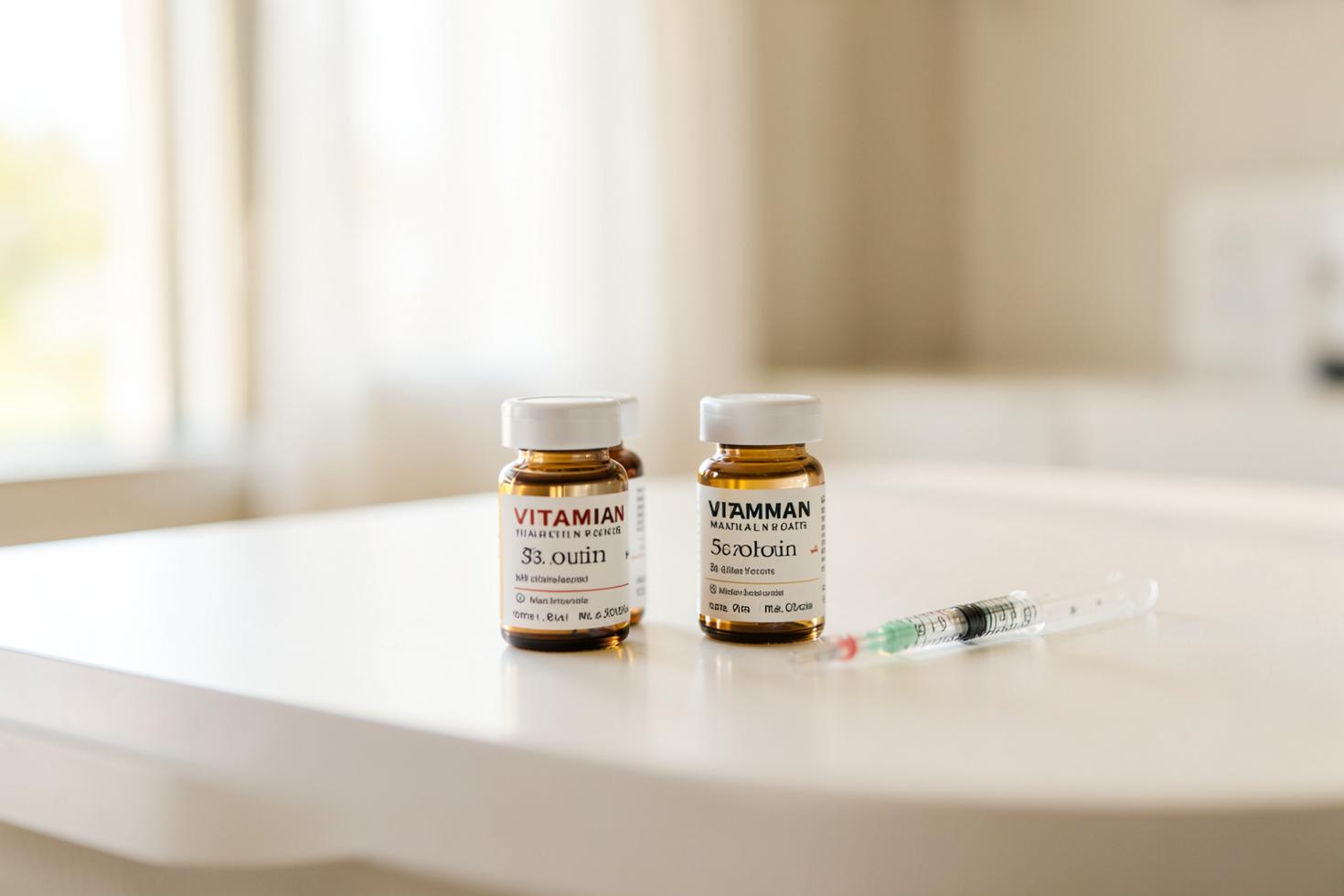
Most peptides are given as small subcutaneous injections using an insulin-style needle, often at night to align with natural release rhythms. Patients are taught the technique in clinic; it is genuinely straightforward, and the needle is thinner than most people expect.
A typical course runs in cycles — commonly a few months on with a planned reassessment — rather than indefinitely. Follow-up should include a symptom review, repeat labs where relevant, and an honest conversation about whether the response justifies continuing. Ongoing care can happen in person in Stroudsburg or through telehealth across PA, NJ, NY and DE.
Cost is a fair question and worth asking early. Peptides are generally not covered by insurance, though the labs that guide treatment often are. Our payment options and superbills page explains how patients typically handle this, including FSA and HSA funds.
Realistic Expectations, Stated Plainly
Peptide therapy is a modifier, not an engine. It can make good inputs work better. It cannot substitute for sleep, protein, resistance training or the treatment of an underlying condition.
Response varies. Some patients notice clearly better sleep and recovery within weeks. Others complete a full cycle and conclude the change was not worth the cost — and a good provider will say so directly rather than escalating the dose to manufacture a result.
Side effects are usually mild when treatment is supervised: injection-site redness, flushing, water retention early on, occasional headache. Growth-hormone-pathway peptides require care in anyone with a history of cancer, uncontrolled diabetes or certain pituitary conditions. This is precisely why sourcing from an unlicensed website is a poor idea — not only is purity unverified, but nobody is screening you for the conditions that make treatment inappropriate.
Questions to Ask Before You Start
Ask what specific outcome the peptide is being prescribed for, and how you will both know whether it worked. Ask what the human evidence looks like for that particular molecule. Ask where the compound is sourced and whether the pharmacy is licensed. Ask what monitoring is planned, what the exit criteria are, and what the total cost will be over a full cycle.
A provider who welcomes those questions is a provider worth working with. If the answers are vague, or if the sales pitch arrives before the evaluation, that is your signal to keep looking.
Where Peptides Fit in a Larger Plan
The patients who get the most from peptide therapy almost never use it alone. It sits alongside corrected hormone levels, a metabolic plan, adequate protein, consistent strength training and treated sleep disruption. In that context it can be a genuinely useful accelerator.
In isolation, it is an expensive experiment. If you want an honest assessment of whether it makes sense for your body and your goals, a consultation is the right starting point — and if the answer is no, you will hear that too.
Frequently asked questions
- Is peptide therapy the same as hormone replacement therapy?
- No. Hormone replacement supplies a hormone your body is no longer producing adequately. Many therapeutic peptides work upstream instead, signaling your own glands to release hormones in a natural pattern. The two can be used together, but they are evaluated and monitored differently.
- How long does it take to see results from peptide therapy?
- Most patients who respond notice sleep quality changes within two to six weeks, while changes in body composition and recovery typically take three months or longer. Response varies between individuals, and results depend heavily on protein intake, resistance training and sleep.
- Are peptides safe?
- Under medical supervision with a licensed compounding pharmacy, side effects are usually mild — injection-site irritation, flushing, temporary fluid retention. Peptides are not appropriate for everyone, including some people with a history of cancer, uncontrolled diabetes or certain pituitary conditions, which is why screening and monitoring matter.
- Does insurance cover peptide therapy?
- Peptides are generally not covered by insurance, though the lab work that guides treatment often is. We provide superbills for reimbursement and accept credit or debit, FSA and HSA funds, quarterly payments and Care Credit.
- Do I need lab work before starting peptide therapy?
- Yes. Comprehensive metabolic and hormone testing helps confirm that your symptoms are not being driven by something more common — thyroid disease, anemia, insulin resistance, sleep apnea or a nutrient deficiency — that should be treated first.
- Can peptide therapy be managed by telehealth?
- Follow-up visits and dose adjustments are routinely handled by telehealth for patients in Pennsylvania, New Jersey, New York and Delaware. Initial evaluation, lab review and injection training are often easiest in person in Stroudsburg.
Talk it through with Simone
Comprehensive labs, a one-on-one review and a plan built for you — in person in Stroudsburg, PA or by telehealth in PA, NJ, NY and DE.
Book Today