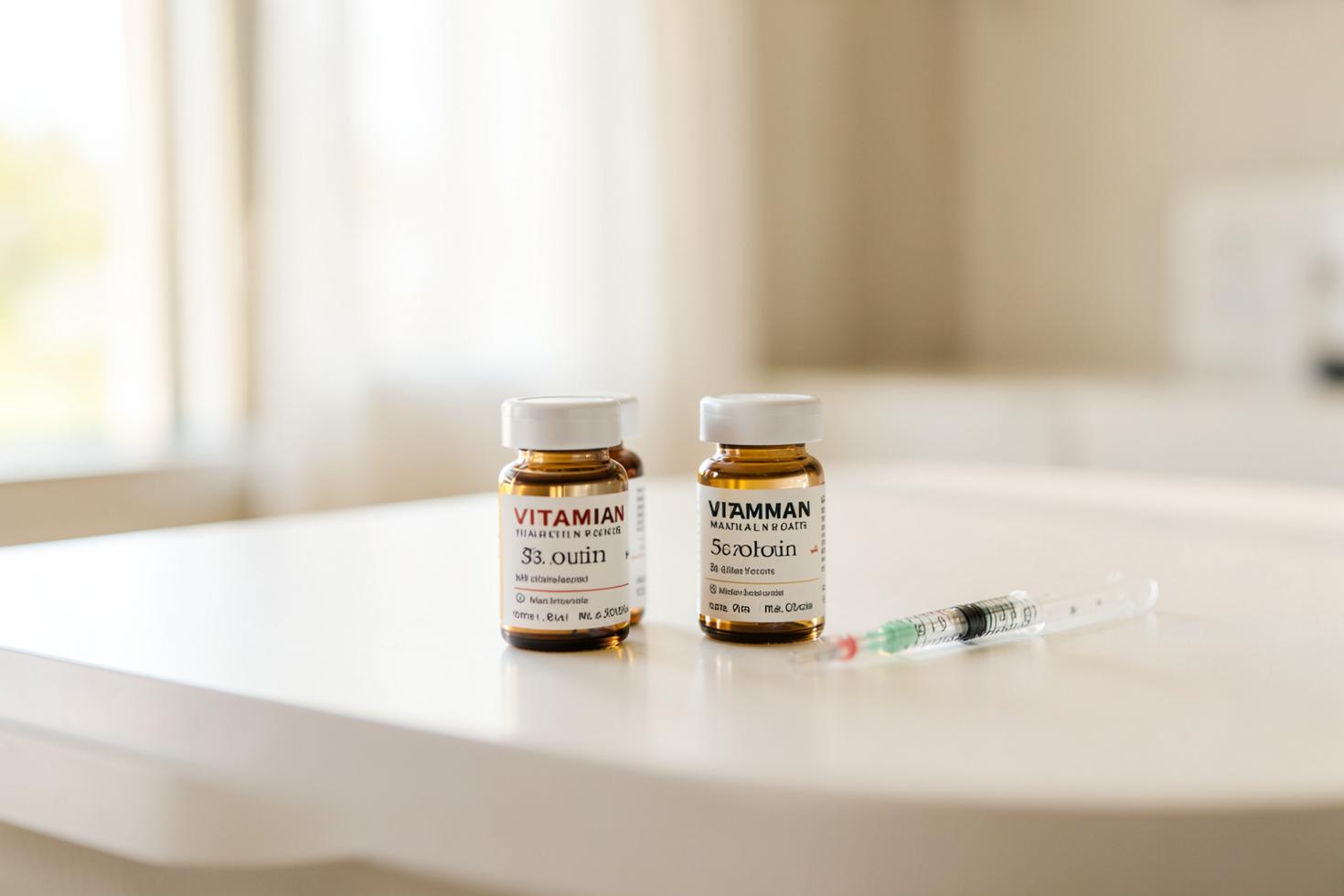
Wellness injections occupy an unusual place in modern healthcare. Ask two clinicians and you may get two very different answers — one dismissing them as expensive urine, another describing patients whose fatigue genuinely lifted. Both views contain some truth, and the difference between them usually comes down to a single question: was there an actual deficiency or clinical reason to treat?
This article breaks down what is in the common wellness injections we offer, what the evidence supports, who tends to benefit, and — just as importantly — who should save their money and address something else first.
Why Injection Rather Than a Pill
The case for injection is bioavailability. Oral supplements must survive stomach acid, digestive enzymes and intestinal absorption before reaching circulation, and for several nutrients that process is inefficient or unreliable. An intramuscular injection bypasses the digestive tract entirely.
For most nutrients in most people, this advantage is irrelevant — a healthy gut absorbs a B-complex tablet perfectly well. The advantage becomes real in specific circumstances: after bariatric surgery, in inflammatory bowel disease or celiac disease, with long-term use of metformin or acid-reducing medications, in strict vegan diets, in older adults with reduced stomach acid, and in the genuine absorption disorder that causes pernicious anemia.
The second practical advantage is adherence. A weekly clinic injection is a single decision. A daily supplement is a decision you have to make three hundred and sixty-five times, and most people do not.
MIC B12: The Most Commonly Requested Injection
MIC stands for methionine, inositol and choline, combined with vitamin B12 — usually as methylcobalamin or hydroxocobalamin. Each component has a defined biological role.
Vitamin B12 is required for red blood cell production, nerve function and energy metabolism. Deficiency causes fatigue, weakness, numbness or tingling, cognitive fog and mood changes. When someone is genuinely deficient, correction can be dramatic — patients describe it as a fog lifting. When someone is already replete, adding more produces no benefit; the excess is simply excreted.
Methionine is an essential amino acid involved in fat metabolism and methylation. Inositol participates in insulin signaling and has been studied in polycystic ovary syndrome. Choline supports liver function and lipid transport. Together they are described as lipotropic — supporting the movement and metabolism of fat in the liver.
Here is the honest framing: MIC B12 is not a weight loss injection. The lipotropic components have plausible metabolic roles, but the evidence that they produce meaningful fat loss on their own is limited. Where they earn a place is as support within a structured plan — commonly alongside medical weight loss, where correcting B12 status can genuinely improve the energy needed to train and cook consistently. That is a real contribution. It is not a shortcut.
Lipo Mino: A Broader Lipotropic Blend
Lipo Mino typically expands on the MIC formula with additional amino acids such as L-carnitine and a fuller B-vitamin complex including B1, B2, B6 and sometimes B5.
L-carnitine transports fatty acids into mitochondria to be burned for energy — the mechanism is genuine and well described. The B vitamins act as cofactors throughout carbohydrate, fat and protein metabolism, meaning insufficiency creates a bottleneck in energy production regardless of how well you eat otherwise.
Patients who describe the clearest benefit from Lipo Mino tend to be those in an active weight management program who are training regularly and want support for energy and recovery. Patients who expect it to work independently of nutrition and movement are consistently disappointed. Set the expectation correctly and satisfaction is high.
Tri-Immune Boost: Support During Demanding Seasons
Tri-Immune combines vitamin C, zinc and glutathione, targeting immune function from three angles. Vitamin C supports white blood cell function and acts as an antioxidant. Zinc is directly required for immune cell development and signaling, and mild deficiency is more common than most people assume, particularly in older adults and people eating limited diets. Glutathione is the body's principal intracellular antioxidant.
What the evidence supports is modest and specific: adequate vitamin C and zinc status supports normal immune function, and zinc supplementation started early may shorten cold duration somewhat. What it does not support is the claim that an injection prevents illness. Nothing prevents illness reliably except the boring fundamentals — sleep, vaccination, hand hygiene, nutrition and stress management.
Used honestly, Tri-Immune is reasonable seasonal support for someone entering a demanding stretch: travel, a heavy work period, school exposure, or recovery after being run down. It is a supplement to good habits, not a replacement for them.
Glutathione: The Antioxidant Worth Understanding
Glutathione is a tripeptide your body produces continuously in every cell. It neutralizes free radicals, supports liver detoxification pathways and helps regenerate other antioxidants. Levels tend to decline with age and are depleted by oxidative stress, chronic illness, alcohol and certain medications.
Oral glutathione is poorly absorbed, which is the primary argument for injection. Patients typically report it as supporting skin clarity, general well-being and recovery. The dermatologic claims circulating online, particularly around skin lightening, are not well supported by rigorous evidence and should not be the reason you choose it.
As part of a broader plan for someone dealing with oxidative stress, recovering from illness, or supporting liver health alongside other treatment, glutathione is a defensible addition. As a standalone purchase driven by cosmetic marketing, it is not.
Who Should Test Before They Treat
The single most important step is establishing whether a deficiency exists. Persistent fatigue deserves a workup, not a subscription. B12 and folate levels, a complete blood count, ferritin and iron studies, thyroid function, vitamin D, and metabolic markers including A1c catch the overwhelming majority of treatable causes.
Our comprehensive metabolic lab testing covers this ground, and lab work is frequently covered by insurance even when the injections themselves are not. Testing first also prevents a specific failure mode: masking a diagnosis. B12 injections can improve the anemia of B12 deficiency while allowing an underlying absorption disorder to go unrecognized. Fatigue that is actually thyroid disease, sleep apnea, depression or low testosterone will not resolve with vitamins, and months spent on injections are months not spent treating the real problem.
Fatigue That Points Elsewhere
If your exhaustion comes with loud snoring or morning headaches, sleep apnea should be evaluated. If it comes with low libido, reduced strength and mood changes in a man, testosterone evaluation is the more relevant conversation. If it arrived alongside irregular cycles, night sweats and new anxiety in a woman in her forties, hormone care for women is where the answer likely lives.
Wellness injections are a reasonable adjunct to any of those plans. They are a poor substitute for the diagnosis.
Safety, Frequency and Cost
These injections are well tolerated in appropriate patients. The most common effects are temporary soreness or redness at the site, a brief warm flush, and a metallic taste with some formulations. Allergic reactions are uncommon but possible, which is why administration should occur in a clinical setting rather than at a kiosk.
People with kidney disease, a history of oxalate kidney stones, G6PD deficiency, or who are pregnant or nursing should discuss any injection carefully before starting. Bring your full medication and supplement list; interactions are uncommon but real.
Frequency is typically weekly to every other week for a defined period, then reassessment. Anyone recommending indefinite weekly injections without repeat testing is selling a subscription rather than practicing medicine. Wellness injections are generally not covered by insurance; our payment options page outlines FSA and HSA use, superbills and payment plans.
The Reasonable Way to Use Them
Test first. Treat what the labs and history point to. Add injections where there is a genuine deficiency, an absorption issue, or a specific supporting role within a larger plan. Reassess on a defined timeline and stop what is not producing a benefit.
Used that way, wellness injections are a useful and affordable tool. Used as a replacement for diagnosis, they are the most expensive way to stay tired. If you are not sure which category you fall into, a consultation and a proper panel will answer it quickly.
Frequently asked questions
- Do B12 injections actually give you more energy?
- They do if you are deficient in B12 — correction can noticeably improve fatigue, brain fog and weakness. If your B12 level is already normal, additional B12 is simply excreted and will not increase energy. Testing before starting tells you which situation applies.
- Will MIC B12 or Lipo Mino injections make me lose weight?
- Not on their own. Lipotropic ingredients support fat metabolism and the B vitamins support energy production, but the evidence that these injections cause meaningful weight loss independently is limited. They work best as support within a structured medical weight loss plan that includes nutrition, protein and resistance training.
- How often should I get wellness injections?
- Most protocols run weekly to every other week for a defined period, followed by reassessment with repeat labs. Ongoing indefinite injections without retesting are not recommended.
- Are wellness injections safe?
- They are well tolerated in appropriate patients. Common effects are temporary injection-site soreness, brief flushing or a metallic taste. People with kidney disease, a history of oxalate stones, G6PD deficiency, or who are pregnant or nursing should be evaluated before starting.
- Do I need lab work before starting injections?
- We strongly recommend it. B12 and folate, a complete blood count, ferritin, thyroid function, vitamin D and metabolic markers identify most treatable causes of fatigue, and lab work is often covered by insurance even when injections are not.
- Are wellness injections covered by insurance?
- Generally no, though the lab work guiding them often is. We accept credit and debit cards, FSA and HSA funds, quarterly payments and Care Credit, and we provide superbills you can submit for possible reimbursement.
Talk it through with Simone
Comprehensive labs, a one-on-one review and a plan built for you — in person in Stroudsburg, PA or by telehealth in PA, NJ, NY and DE.
Book Today