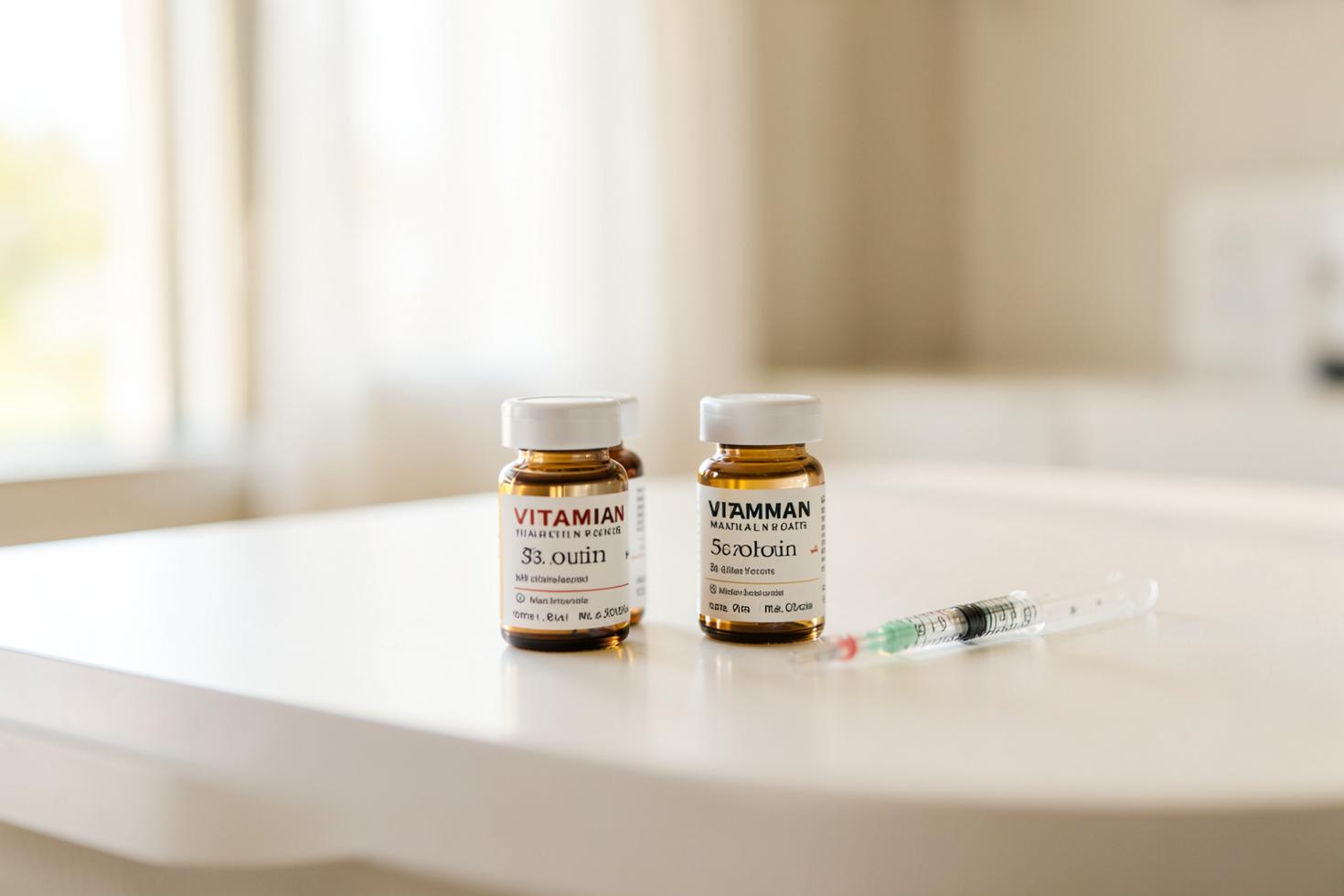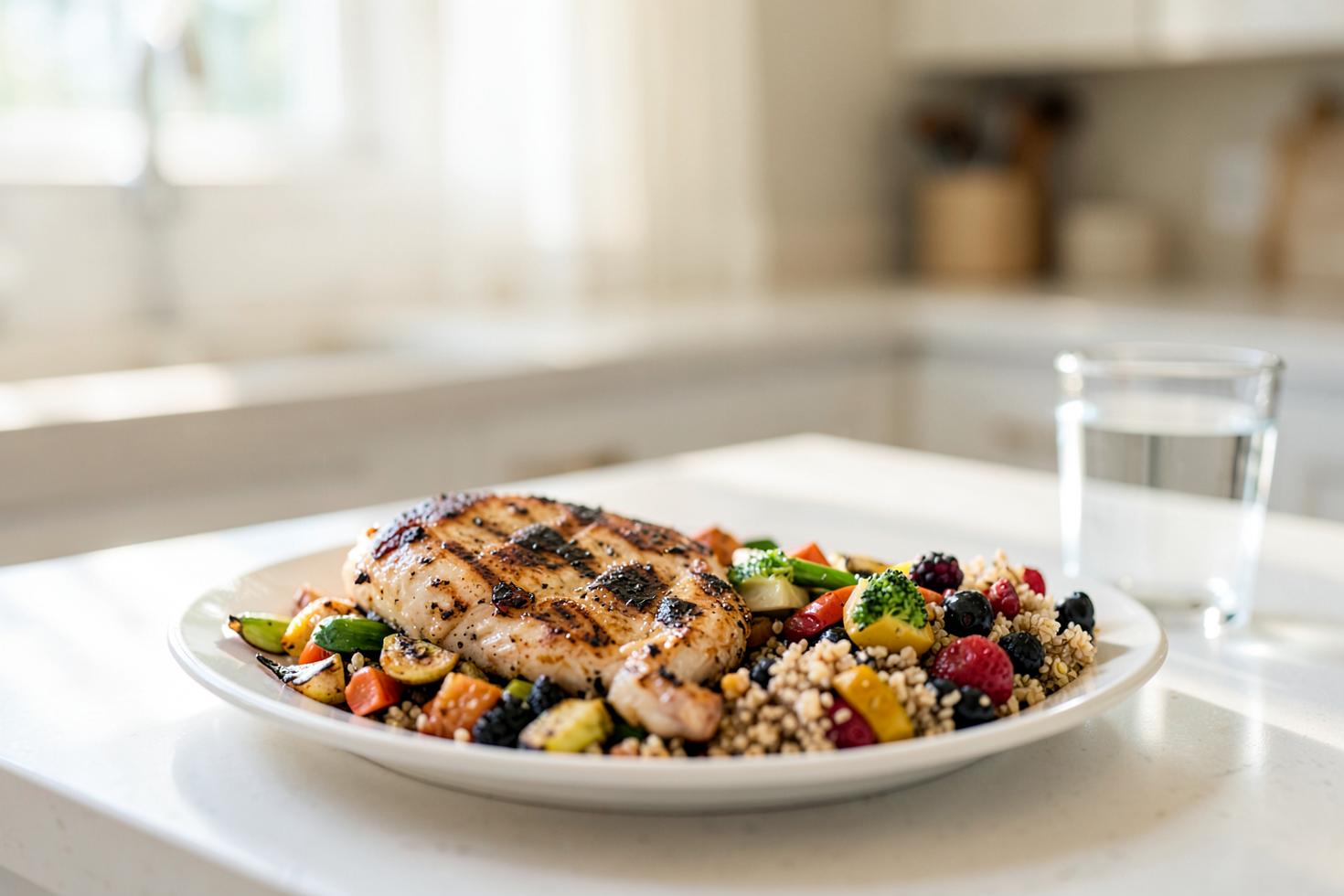
If you are not losing weight on a GLP-1 yet, the most common explanations are that you are still on a low titration dose, protein intake is too low, constipation and dehydration are masking progress, sleep and stress are working against you, or an untreated thyroid or hormone issue is limiting response. Slow progress is a signal to investigate, not proof the medication failed.
When weight loss may be slower than expected
Trial results are usually reported at the twelve to eighteen month mark on full therapeutic doses. Comparing week six of titration against those headlines sets an unfair standard. Early weeks are about tolerance and building the habits — protein, fluids, movement — that determine how the later months go.
Weight also does not fall in a straight line. Water shifts, cycle timing, sodium, travel, and stress can hide fat loss for a couple of weeks at a time. A monthly trend line is more useful than a daily weigh-in.
Why dose titration matters
Starting doses exist to reduce nausea, not to drive results. Most patients need several increases before reaching an effective range, and each step is usually held for at least four weeks. Rushing that schedule tends to cause side effects that force a pause, which delays progress further.
The role of protein, hydration, and meal quality
When appetite falls sharply, total intake can drop so low that muscle is lost along with fat. Muscle is metabolically active tissue, so losing it slows the very system you are trying to improve. Prioritizing protein at every meal and adding two to three resistance sessions weekly protects that tissue.
Hydration matters more than people expect on these medications. Slower stomach emptying plus reduced thirst can leave you mildly dehydrated, which reads as fatigue, headaches, and constipation. Practical guidance is in what to eat while taking a GLP-1.
Hidden issues like constipation, sleep, and stress
Constipation is one of the most under-reported reasons progress feels stalled. Fiber, fluid, magnesium when appropriate, and daily movement usually help, and untreated constipation can escalate into a genuine medical problem.
Short sleep raises appetite hormones and lowers glucose tolerance. Chronic stress does something similar. Neither is a character flaw, and both are worth addressing directly rather than pushing harder on the diet.
When hormones or thyroid issues may be involved
Untreated hypothyroidism, perimenopausal hormone changes, PCOS-related insulin resistance, and low testosterone in men all blunt weight loss response. If you have plateaued despite doing the work, testing is the reasonable next move — see metabolic lab testing, hormone therapy for women, or testosterone therapy.
When to follow up with your provider
Book a follow-up if you have been consistent for eight to twelve weeks with minimal change, if side effects are limiting your intake, if you are losing strength, or if new symptoms appear. Adjusting a plan is normal care, not failure.
Get a second look at your plan
Ready for a plan built around your labs, your symptoms, and your life? Book Today with Simone Blount, FNP-BC, in Stroudsburg, PA or by telehealth across PA, NJ, NY, and DE.
Frequently asked questions
- How long does it take for a GLP-1 to start working?
- Appetite changes often show up within the first few weeks, but starting doses are intentionally low and meant to build tolerance, not deliver results. Meaningful scale movement is more typical after two to three months of titration, with continued change over six to twelve months.
- Is it normal to lose inches before pounds?
- Yes. Body composition can shift before the scale does, especially with added protein and resistance training. Waist measurements, how clothes fit, and energy levels are worth tracking alongside weight.
- Can constipation affect weight loss progress?
- Constipation can add bloating and a few pounds of retained stool and fluid, and it makes people eat less protein and fiber because they feel uncomfortable. Treating it usually improves both the number and how you feel.
- Should I change doses if weight loss stalls?
- Sometimes, but not automatically and never on your own. If protein, hydration, sleep, or constipation are the actual limiters, increasing the dose adds side effects without adding results. That decision belongs in a follow-up visit.
- When should I ask for lab work?
- If you have been consistent for eight to twelve weeks with little change, ask about thyroid, insulin, and hormone testing. See [labs before medical weight loss](/blog/labs-before-medical-weight-loss-program).
Talk it through with Simone
Comprehensive labs, a one-on-one review and a plan built for you — in person in Stroudsburg, PA or by telehealth in PA, NJ, NY and DE.
Book Today