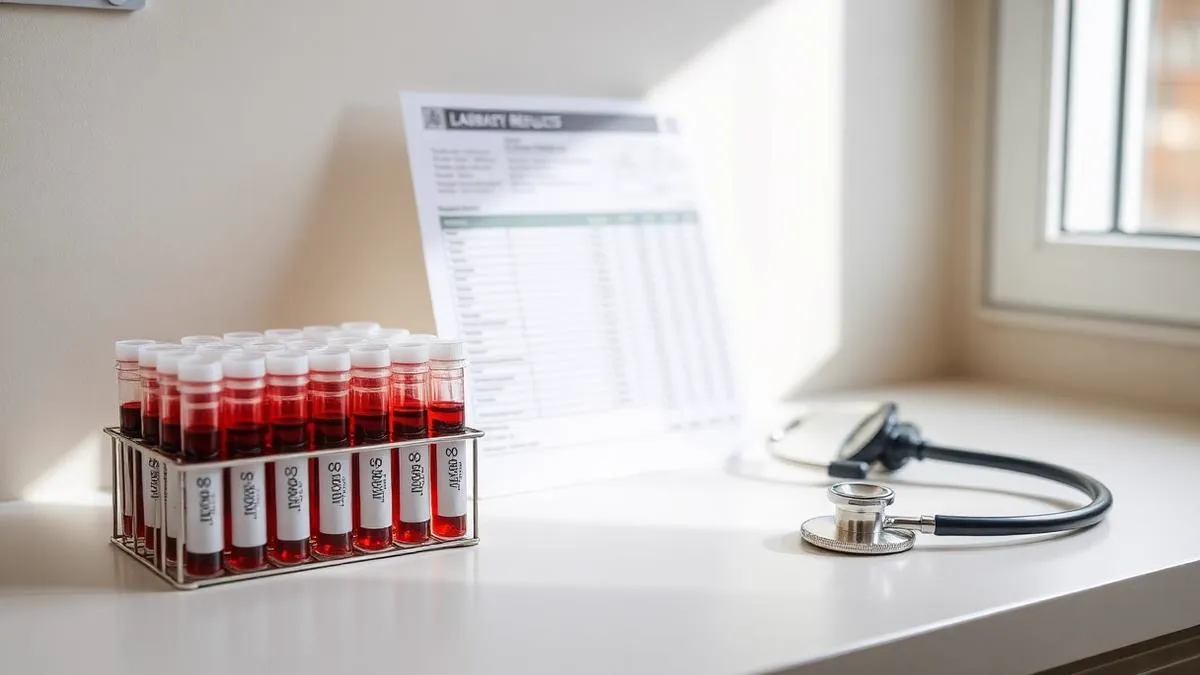
Understanding what is happening beneath the surface of your skin is the first step toward true health optimization. For many residents in Stroudsburg, PA, and across the Poconos, standard healthcare often involves a brief consultation followed by basic blood work that barely scratches the surface. At Best Version of You, Simone Blount, FNP-BC, takes a different approach by utilizing comprehensive metabolic and hormone lab testing to identify the root causes of fatigue, weight gain, and hormonal imbalances. This detailed assessment is not just about checking boxes; it is about gathering the biological data necessary to create a personalized wellness roadmap that reflects your unique physiology.
The Importance of Comprehensive Testing Over Standard Panels
Most patients are familiar with the routine blood work ordered during an annual physical, which typically includes a Complete Blood Count (CBC) and a Basic Metabolic Panel (BMP). While these tests are important for identifying acute illness or severe organ dysfunction, they often fail to capture the subtle shifts in hormones or metabolic markers that precede chronic disease. By the time a standard lab result shows an 'out of range' flag, a patient may have been suffering from symptoms for years. Comprehensive metabolic lab testing looks for optimal ranges rather than just avoiding disease states, allowing for proactive interventions before health concerns escalate.
At our practice serving Pennsylvania, New Jersey, New York, and Delaware, we recognize that 'normal' is not the same as 'optimal.' A patient might be told their thyroid is fine because their TSH is within a broad laboratory range, yet they continue to struggle with hair loss and extreme lethargy. By expanding the scope of testing to include free hormones, inflammatory markers, and advanced lipid profiles, Simone Blount, FNP-BC, can see a much clearer picture of your internal health. This depth of information is crucial for those considering medical weight loss or hormone therapy for women, as it ensures that treatments are both safe and targeted to your specific needs.
What a Full Metabolic and Hormone Panel Measures
A comprehensive panel at Best Version of You is designed to be exhaustive, covering several key pillars of human biology. The first pillar is the metabolic and glucose markers. We go beyond simple fasting glucose to look at Hemoglobin A1c and, perhaps most importantly, fasting insulin. Measuring insulin levels helps identify insulin resistance long before it manifests as type 2 diabetes. Understanding your insulin sensitivity is a cornerstone of any successful weight management plan, as high circulating insulin levels can make it biologically difficult for the body to burn stored fat.
The second pillar is a deep dive into the thyroid gland, which acts as the thermostat for your entire body. While many providers only test Thyroid Stimulating Hormone (TSH), a full panel includes Free T3, Free T4, and Reverse T3. This allows us to see not just how much hormone the brain is asking for, but how much active hormone is actually available for your cells to use. Thyroid dysfunction is a common culprit behind unexplained weight gain, brain fog, and cold intolerance, making these markers essential for residents in Monroe County seeking to regain their vitality.
Hormonal balance for both men and women constitutes the third pillar of our testing. For men, we assess total and free testosterone, estradiol, and SHBG to determine if testosterone therapy for men is appropriate. For women, we look at the delicate balance between estrogen, progesterone, and testosterone throughout their cycle. These hormones regulate everything from mood and bone density to muscle mass and libido. When these levels are imbalanced, patients often feel like a shadow of their former selves, which is why accurate measurement is the foundation of our hormone replacement protocols.
The fourth pillar involves an advanced lipid and cardiovascular profile. We look beyond just 'good' and 'bad' cholesterol to analyze particle size and inflammatory markers like C-Reactive Protein (CRP) and Homocysteine. These markers provide a much more accurate assessment of cardiovascular risk than traditional testing. High levels of systemic inflammation are often the hidden driver behind chronic pain, fatigue, and metabolic slowdown. By identifying these markers, we can utilize inflammation and pain support strategies to protect your long-term heart and joint health.
How to Prepare for Your Lab Draw
To ensure the highest level of accuracy, proper preparation for your blood draw is essential. Most comprehensive metabolic panels require a fasting period of 10 to 12 hours. This means you should consume nothing but water after your evening meal the night before your appointment. Fasting is particularly important for accurate glucose, insulin, and lipid readings, as recent food intake can cause temporary spikes that do not reflect your baseline health. We encourage patients to stay well-hydrated with plain water, as this makes the blood draw easier and ensures your kidneys are functioning optimally during the test.
It is also important to consider the timing of certain supplements and medications. Some over-the-counter supplements, particularly Biotin (Vitamin B7), can significantly interfere with the assays used to measure thyroid and heart markers, potentially leading to false results. We generally recommend pausing Biotin-containing supplements for at least 72 hours before your labs. Additionally, for those already on hormone therapy, the timing of your last dose relative to the blood draw is critical. Simone Blount, FNP-BC, will provide specific instructions on when to schedule your draw to capture your 'peak' or 'trough' levels, depending on your current treatment plan.
Interpreting Results: The Intersection of Labs and Symptoms
One of the core philosophies at Best Version of You is that we treat the patient, not just the paper. Lab results are a powerful tool, but they are only one piece of the puzzle. During your follow-up consultation, Simone Blount, FNP-BC, will sit down with you—either in our Stroudsburg office or via telehealth—to correlate your lab findings with the symptoms you are experiencing daily. If your labs are within the 'normal' range but you still feel unwell, we dig deeper to understand why your body isn't functioning at its best.
This interpretation process involves looking at the ratios between different markers. For example, the ratio of your triglycerides to your HDL cholesterol can tell us a lot about your metabolic health, even if both numbers are technically within range. Similarly, the relationship between your cortisol levels and your sex hormones can reveal how stress is impacting your overall endocrine system. This holistic view allows us to determine if you might benefit from peptide therapy or specific wellness injections to bridge the gap between where your health is and where you want it to be.
Navigating Insurance, Superbills, and Lab Costs
We understand that navigating the financial aspect of healthcare can be stressful, which is why we strive for transparency regarding lab costs. At Best Version of You, we offer several ways to handle the cost of your metabolic lab testing. Many patients choose to pay a discounted cash rate directly through our partnership with national laboratories. This often results in a lower total cost than what an insurance company might charge for high-deductible plans. By paying upfront, you avoid the 'billing surprises' that often come months after a laboratory visit.
For patients who prefer to use their insurance coverage, we can provide the necessary orders to take to an in-network facility like LabCorp or Quest Diagnostics. It is important to note that whether insurance covers these comprehensive tests depends entirely on your individual policy and their specific definitions of 'medical necessity.' If you pay out-of-pocket, we can provide a superbill upon request. A superbill is a detailed receipt using standardized medical codes that you can submit to your insurance company for potential out-of-network reimbursement. While we cannot guarantee reimbursement, this provides a pathway for you to utilize your benefits.
What Happens After Your Results Are In?
Once your results are processed and reviewed, the next phase of your journey begins. We don't just mail you a copy of your labs and leave you to figure it out; we schedule a comprehensive review to discuss the findings. This conversation is the foundation for your personalized treatment plan. Based on the data, we might suggest specific health supplements to correct nutrient deficiencies, or we may discuss lifestyle modifications that can help lower systemic inflammation. The goal is to create a sustainable strategy that fits into your life while moving the needle on your health markers.
If the labs reveal significant hormonal imbalances or metabolic dysfunction, we may discuss more advanced interventions. This could include starting a medical weight loss program tailored to your insulin levels or beginning hormone replacement to address symptoms of menopause or low testosterone. Because we have the data from your comprehensive panel, we can monitor your progress with precision. We typically re-test key markers every three to six months to ensure that the interventions are working and to make any necessary adjustments to your dosages or protocols.
Why Choose a Nurse Practitioner-Led Practice in Stroudsburg?
Choosing a nurse practitioner like Simone Blount, FNP-BC, for your metabolic and hormone care offers a unique blend of clinical expertise and patient-centered communication. Nurse practitioners are trained to view health through a holistic lens, emphasizing education and prevention alongside clinical treatment. In our Stroudsburg clinic, we take the time to listen to your history, your concerns, and your goals. We believe that you are the expert on your own body, and our role is to provide the clinical tools and guidance to help you reach your full potential.
Whether you are visiting us from nearby in Monroe County or connecting with us via telehealth from New York or New Jersey, you receive the same high standard of care. We have streamlined our processes to make advanced testing and follow-up care as accessible as possible. By integrating metabolic lab testing with modern treatments like peptide therapy and customized nutrition, we help our patients in the Poconos and beyond achieve the 'Best Version' of themselves. Your health is an investment, and comprehensive testing is the due diligence required to make that investment pay off in long-term wellness and vitality.
The Roadmap to Wellness: Your Initial Consultation and Lab Review
Before any blood is drawn, your journey begins with a comprehensive virtual or in-person consultation at Best Version of You. Simone Blount, FNP-BC, takes the time to understand your personal health history, current symptoms, and long-term wellness goals. Unlike traditional settings where you might only have a few minutes with a provider, this initial visit focuses on the "why" behind your health concerns. We discuss how you feel daily, your sleep patterns, and your energy levels to determine which specific markers need to be tested. This personalized approach ensures that we aren't just ordering a generic panel, but rather a targeted investigation into your unique physiology.
The Role of Long-Term Monitoring and Comparative Data
A single lab draw provides a valuable snapshot, but the true power of metabolic and hormone testing lies in longitudinal tracking. At our Stroudsburg practice, we emphasize the importance of follow-up testing to monitor how your body responds to treatment plans. Whether you are beginning medical weight loss or hormone therapy for women, seeing how your numbers shift over three to six months is crucial for safety and efficacy. This data-driven approach allows Simone Blount, FNP-BC, to make precise adjustments to your protocols, ensuring you stay within the optimal range for your age and lifestyle. We look for trends rather than isolated incidents, helping you achieve sustainable improvements in your health.
Bridging the Gap: How Lab Data Informs Lifestyle and Nutrition
Labs do not exist in a vacuum; they serve as a blueprint for the lifestyle changes that will yield the best results for your body. For example, if your metabolic lab testing reveals insulin resistance or elevated inflammatory markers, we can tailor your nutritional guidance to address those specific issues. We often find that patients are working hard on their fitness but seeing little progress because their internal chemistry is imbalanced. By identifying these roadblocks, we can recommend specific health supplements or dietary adjustments that support your metabolic health. Understanding your data empowers you to make choices that aren't based on guesswork, but on what your body actually requires.
Common Myths and Misconceptions About Lab Results
One of the most common myths is that "normal" lab results mean everything is fine, even if you still feel fatigued, moody, or unable to lose weight. The standard reference ranges used by many large labs are often based on a broad population average, which may not reflect optimal health for an active individual. Simone Blount, FNP-BC, looks for optimal ranges rather than just staying within the "normal" bell curve. Another misconception is that one hormone level, like total testosterone, tells the whole story. In reality, we must look at free testosterone, SHBG, and estrogen levels to get a complete picture of testosterone therapy for men or women. Testing only one marker often leads to incomplete treatments and unresolved symptoms.
Synergistic Care: Pairing Lab Testing with Targeted Therapies
Comprehensive testing is the foundation upon which all our other services are built at Best Version of You. Once we have a clear understanding of your metabolic and hormonal status, we can safely integrate peptide therapy or wellness injections to accelerate your progress. For patients dealing with chronic aches, labs can help identify the root cause, allowing us to provide better inflammation and pain support. This integrated model ensures that every injection, supplement, or medication you receive is backed by clinical data. By pairing diagnostics with targeted treatments, we provide a holistic experience that addresses the body as a whole system.
Local Accessibility and Telehealth Logistics for the Tri-State Area
While our physical practice is rooted in Stroudsburg, PA, we are proud to serve patients throughout Pennsylvania, New Jersey, New York, and Delaware via telehealth. We understand that busy schedules in the Poconos or the surrounding tri-state area can make frequent office visits difficult. Our process is designed for convenience, allowing you to complete your initial consultation virtually and visit a local lab near your home for the draw. Once your results are available, Simone Blount, FNP-BC, reviews them with you via a secure video platform to discuss the next steps in your care. This flexibility ensures that high-quality, nurse-practitioner-led care is accessible regardless of your proximity to our Stroudsburg office.
Determining Candidacy for Advanced Lab Testing
Not everyone is an immediate candidate for every type of advanced testing or hormone therapy. During your consultation, we screen for contraindications and ensure that testing is medically appropriate for your current stage of life. If you have certain acute medical conditions or are currently undergoing specific treatments elsewhere, we may need to coordinate care or delay testing. Our priority is always your safety and ensuring that the data we collect will lead to actionable, beneficial changes. You can learn more about our intake process by visiting our how it works page, which outlines what to expect as a new patient at Best Version of You.
Frequently asked questions
- How should I prepare for my metabolic lab testing?
- We recommend fasting for 10 to 12 hours before your blood draw, meaning you should only consume water. You should also avoid taking supplements containing Biotin for at least 72 hours, as it can interfere with certain lab assays. If you are on current medications or hormones, Simone Blount, FNP-BC will provide specific instructions on the best time to test.
- Why do I need a full panel if my regular doctor said my labs were 'normal'?
- A standard panel often only looks for markers of existing disease, whereas a comprehensive panel looks at optimal levels of insulin, thyroid hormones, inflammatory markers, and nutrient levels. This allows us to identify metabolic dysfunction early and address the root causes of symptoms like fatigue and weight gain. Our panels provide a much more detailed map of your internal health than a basic physical exam.
- Does insurance cover comprehensive hormone and metabolic testing?
- We provide three main options: you can pay a discounted cash price through our lab partners, use your insurance at a local draw site, or pay upfront and request a superbill for potential reimbursement. We aim to make the process transparent so you know the costs involved before the testing is performed. Many patients find our cash-pay rates are more affordable than their insurance deductibles.
- How long does it take to get my lab results back?
- Results typically return within 7 to 10 business days, though some specialized markers may take slightly longer. Once the results are ready, we schedule a follow-up consultation to review them in detail. During this session, we will explain what every marker means for your health and how it correlates with your symptoms.
- Can I get these labs done if I live outside of Stroudsburg?
- Yes, we provide telehealth services for residents of Pennsylvania, New Jersey, New York, and Delaware. We can send your lab orders to a convenient local draw station like LabCorp or Quest near your home. Your follow-up consultation to review the results will then be conducted via a secure video platform.
- How long is the follow-up appointment to review my results?
- While the lab draw itself only takes a few minutes, the real work happens during the interpretation. Simone Blount, FNP-BC, spends significant time analyzing your ratios and markers before meeting with you. The follow-up consultation is usually 30 to 45 minutes to ensure all your questions are answered and a plan is in place.
- What happens if my results show a hormonal or metabolic imbalance?
- If your labs indicate imbalances, we will discuss a variety of options including medical weight loss, hormone replacement, peptide therapy, or specific supplement protocols. We focus on addressing the root cause rather than just masking symptoms. Every plan is customized to your specific biological data and lifestyle goals.
- Will I receive a copy of my actual lab results?
- Absolutely. We encourage patients to keep copies of their lab work for their own records. We believe in transparency and want you to be fully informed about your health data. You can access your results through our patient portal once they have been reviewed.
Talk it through with Simone
Comprehensive labs, a one-on-one review and a plan built for you — in person in Stroudsburg, PA or by telehealth in PA, NJ, NY and DE.
Book Today