Eating for weight loss comes down to four things you can actually control: enough protein, enough fiber, a calorie intake slightly below what your body burns, and a pattern you can repeat on an ordinary Tuesday. Everything else — meal timing, which grain you choose, whether you eat after 8 p.m. — is a detail that matters far less than most people have been told.
In practice, most people I see in Stroudsburg are not failing because they lack willpower. They are failing because they are under-eating protein, over-relying on convenience carbohydrates, drinking a meaningful number of their calories, and then swinging into a restrictive plan that nobody could sustain for more than three weeks. This guide is the nutrition conversation I have in the office, written out.
Start With Protein, Not With Restriction
Protein is the single highest-leverage change in a weight loss diet. It preserves muscle while you are in a calorie deficit, it is the most satiating macronutrient, and it costs your body more energy to digest than fat or carbohydrate. When you lose weight without enough protein, a large share of what you lose is lean tissue — which lowers your metabolic rate and makes regain almost inevitable.
A reasonable working target for most adults pursuing fat loss is roughly 0.7 to 1 gram of protein per pound of goal body weight per day, spread across meals rather than crammed into dinner. For a woman whose goal weight is 150 pounds, that is about 105 to 150 grams daily, or roughly 30 to 45 grams per meal. If you have kidney disease or another condition affecting protein handling, that target needs to be individualized — bring it up at your visit.
What that looks like on a plate: 5 to 6 ounces of chicken, turkey, fish, lean beef or pork; 3 eggs plus 2 extra whites; a cup of Greek yogurt or cottage cheese; a scoop or two of whey or plant protein; tofu, tempeh, edamame or lentils for plant-based eaters. Most people are shocked when they first weigh their portions — the "chicken breast" they thought was 6 ounces is often 3.
Protein at Breakfast Changes the Whole Day
The most common pattern I see is 8 grams of protein at breakfast, 20 at lunch and 60 at dinner. That front-loads hunger into the exact hours when you have the least willpower left. Moving 30 grams of protein into breakfast — eggs, a Greek yogurt bowl, a protein shake, leftover dinner — reliably reduces afternoon snacking and evening grazing without you having to "try harder."
Fiber Is the Second Half of the Equation
Protein handles satiety and muscle. Fiber handles fullness, blood sugar and gut health. Most American adults get 12 to 15 grams a day; the target is 25 to 35 grams. Raising fiber slows gastric emptying, blunts the glucose spike after meals, feeds the gut microbiome and adds substantial volume to your plate for very few calories.
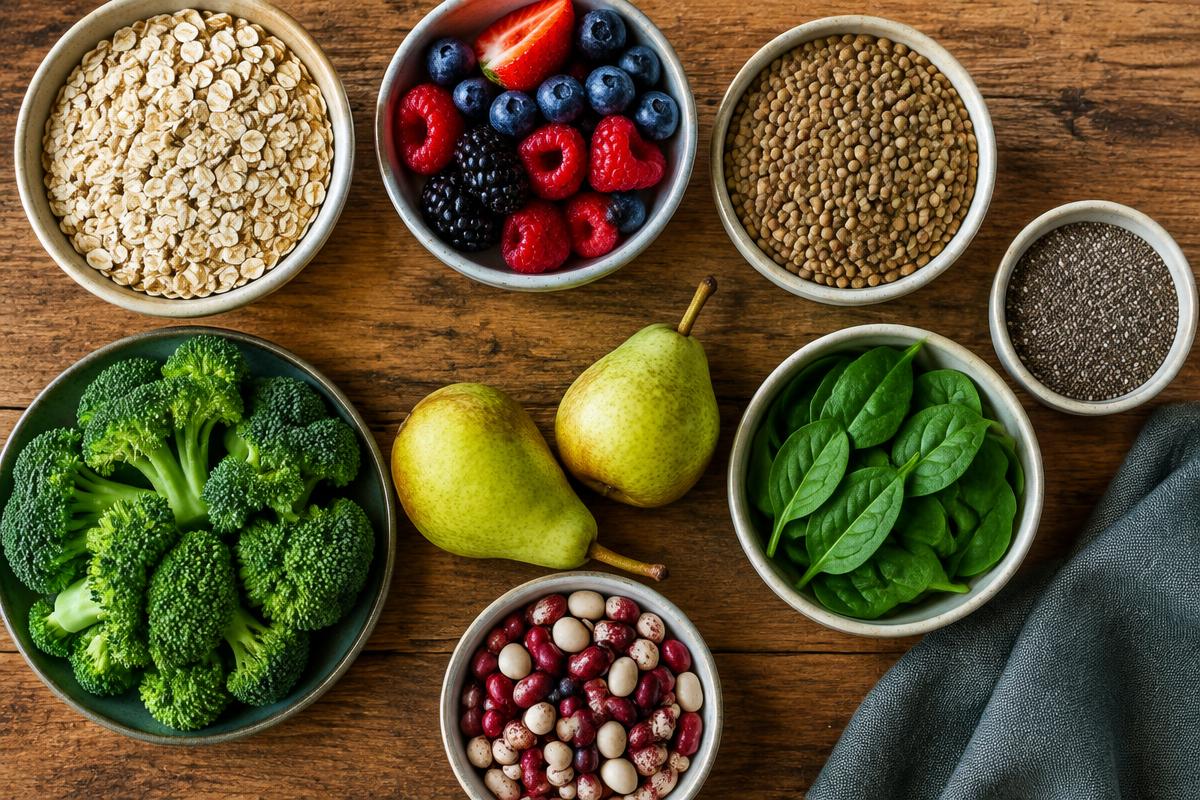
Practical sources: beans and lentils, berries, pears and apples with the skin, broccoli, Brussels sprouts, artichokes, oats, chia and ground flax, avocado, and whole intact grains rather than flour-based versions of them. Increase gradually over two to three weeks and raise your water intake with it, or you will trade one kind of discomfort for another.
If you are on a GLP-1 medication, fiber deserves extra attention for a different reason: constipation is one of the most common side effects, and it is far easier to prevent than to fix.
Build the Plate, Then Stop Counting Everything
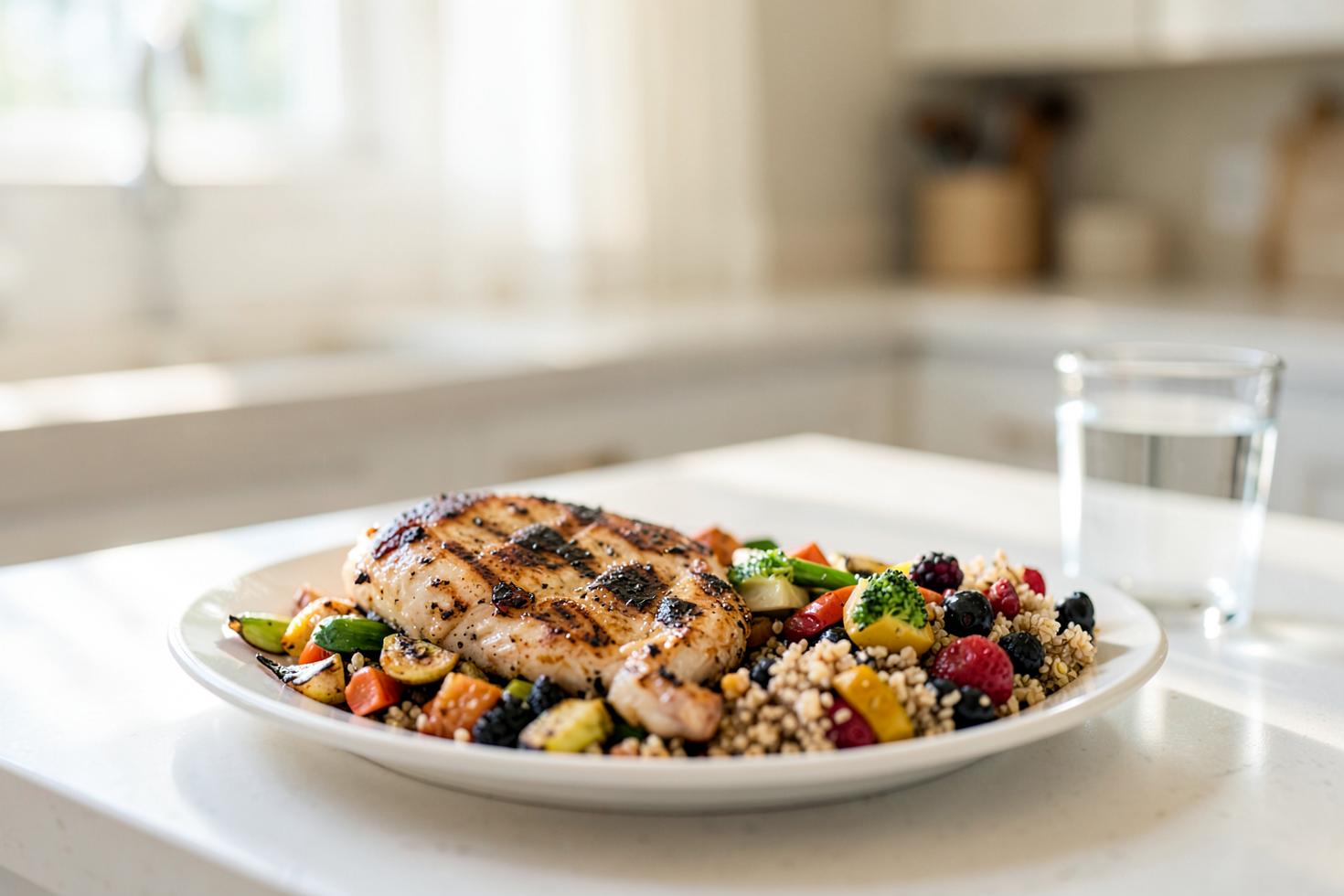
Tracking every calorie works for some people and becomes a second job for others. A plate template gets most of the benefit with a fraction of the effort: half the plate non-starchy vegetables, a quarter lean protein at the portion sizes above, a quarter high-fiber carbohydrate, plus a thumb-sized portion of fat for flavor and satiety.
That structure naturally lands most people in a modest deficit without arithmetic. I do recommend tracking for two weeks at the start, not forever — not to police yourself but to calibrate. Almost nobody accurately estimates portions, cooking oil, or the calories in what they drink until they have measured it once.
Liquid Calories Are the Quiet Saboteur
A large flavored latte, a craft beer, a sweet tea and a glass of juice can total 700 to 900 calories in a day while providing essentially no protein, no fiber and no lasting fullness. This is the single easiest place to find a deficit. Coffee, unsweetened tea, sparkling water and plain water are effectively free. Alcohol also suppresses fat oxidation for hours and lowers inhibition around food — the calories in the glass are rarely the whole cost.
Eating on a GLP-1: Different Rules
If you are taking semaglutide, tirzepatide or another GLP-1 through our GLP-1 medical weight loss program, the medication solves the hunger problem for you. That creates a different risk: eating so little, and so little protein, that you lose muscle, lose hair, feel exhausted, and end up with a lower metabolic rate than when you started.
On a GLP-1, protein is not optional, it is the priority at every meal. Eat protein first on the plate, keep meals smaller and more frequent, stop at comfortably satisfied rather than full, and stay ahead of hydration and fiber. Greasy, very rich or very large meals are the most common trigger for nausea; so is eating quickly. Most patients tolerate the medication far better once they slow down and shrink portion size rather than pushing through discomfort.
The same logic applies to appetite suppressants — see our phentermine weight loss page for how that medication fits. Medication reduces appetite. It does not choose your food. Nutrition is what determines whether the weight you lose is fat or muscle.
Resistance training two to three times a week is the other half of that protection. You do not need a bodybuilding program; you need to give your body a reason to keep the muscle you have while you are eating less.
When Diet Alone Is Not the Problem
Some people eat genuinely well and still cannot lose weight. That is a clinical finding, not a character flaw. Insulin resistance, hypothyroidism, perimenopause, low testosterone, chronic inflammation, poor sleep, certain medications and untreated sleep apnea all change how your body responds to the same diet.
This is why we start almost everyone with comprehensive metabolic lab testing — fasting insulin, A1c, a full thyroid panel, lipids, liver and kidney function, inflammatory markers and sex hormones where relevant. If your fasting insulin is high, a low-fat high-carbohydrate diet will fight you. If your thyroid is under-treated, no plate template will fix it. If you are a woman in perimenopause watching your weight redistribute to your midsection despite unchanged habits, that is hormonal, and hormone therapy for women may need to be part of the answer. For men, low testosterone makes fat loss and muscle retention measurably harder — see testosterone therapy for men.
Real Life: Restaurants, Weekends and the Poconos Summer
A plan that only works in your own kitchen is not a plan. Eating out, order the protein and the vegetable, ask for sauces and dressings on the side, skip the bread basket if it is not worth it to you, and decide before you sit down whether you are drinking. Buffets, wedding season and holiday weekends are not emergencies — they are a handful of days across a year of meals.
The people who succeed long term are not the ones who never eat cake. They are the ones who eat the cake and then return to their normal pattern at the very next meal, rather than writing off the rest of the week.
The 80/20 Reality
If roughly 80 percent of your meals follow the protein-plus-fiber structure, the other 20 percent will not undo your progress. Perfection is not required and, in my experience, actively predicts failure — rigid plans produce rebound eating, and rebound eating produces the weight cycling that makes each subsequent attempt harder.
What to Do When the Scale Stalls
Plateaus are expected, not a sign the plan is broken. Before changing anything, check the basics for two weeks: are you still hitting protein, has portion creep set in, has your step count fallen, are you sleeping less than six hours, and has your weight actually stalled or is it just fluctuating with sodium, hormones and glycogen? Weigh at the same time of day and look at the weekly average, not any single morning.
If it is a true stall, the levers in order are: tighten protein and portions modestly, add daily movement rather than cutting calories again, add or increase resistance training, and then re-check labs. Cutting calories further is usually the last resort, not the first — chronically low intake is what drives the fatigue, hair shedding and metabolic slowdown that make weight regain likely.
Supplements: Useful, Not Magic
No supplement replaces the pattern above. That said, protein powder makes hitting a target realistic, a fiber supplement helps when vegetables are inconsistent, vitamin D and magnesium are worth correcting when labs show a deficiency, and creatine monohydrate supports strength and muscle retention during a deficit. We use a vetted dispensary through our health supplements page so you are not guessing about quality.
Products marketed as fat burners, metabolism boosters or carb blockers are, with rare exceptions, not worth your money and occasionally not safe alongside prescription medications.
Putting It Together This Week
You do not need to overhaul everything. Pick three: hit 30 grams of protein at breakfast, remove liquid calories, and get 25 grams of fiber. Do those for two weeks before adding anything else. Small changes that survive a bad week beat perfect changes that collapse on day nine.
And if you have been doing the right things and the results still do not match the effort, that is worth investigating rather than pushing harder. A consultation and a full metabolic panel usually explain more in one visit than months of guessing. We see patients in person in Stroudsburg, PA and by telehealth across Pennsylvania, New Jersey, New York and Delaware — see how it works to get started.
Frequently asked questions
- How much protein should I eat to lose weight?
- A practical target for most adults is 0.7 to 1 gram of protein per pound of goal body weight per day, divided across meals — roughly 30 to 45 grams per meal for most people. Protein preserves muscle during a calorie deficit and is the most filling macronutrient, so hitting this target usually reduces total intake without conscious restriction. If you have kidney disease or another condition affecting protein metabolism, the target should be set individually by your clinician.
- Do I have to count calories to lose weight?
- Not permanently. I recommend tracking for about two weeks at the start to calibrate your sense of portions, cooking oils and liquid calories, because almost everyone underestimates them. After that, a plate template — half non-starchy vegetables, a quarter lean protein, a quarter high-fiber carbohydrate, plus a thumb of fat — keeps most people in a modest deficit without daily arithmetic.
- What should I eat while taking a GLP-1 like semaglutide or tirzepatide?
- Prioritize protein at every meal, eat it first on the plate, keep portions smaller and more frequent, and stay ahead of fiber and hydration to prevent constipation. Because the medication removes hunger, the main risk is eating too little and losing muscle along with fat. Large, greasy or rapidly eaten meals are the most common cause of nausea, so slowing down and reducing portion size usually improves tolerance.
- Are carbohydrates bad for weight loss?
- No. The type and amount matter more than the presence of carbohydrate. High-fiber, intact sources — beans, lentils, oats, fruit, whole grains, starchy vegetables — support satiety and blood sugar stability. Refined flour, sugary drinks and packaged snacks are easy to overeat and provide little fullness. That said, if lab testing shows significant insulin resistance, lowering total carbohydrate load often produces better results.
- Why am I eating well and still not losing weight?
- Common causes include insulin resistance, under-treated hypothyroidism, perimenopause or menopause, low testosterone in men, chronic inflammation, insufficient sleep, untreated sleep apnea and certain medications. It is also frequently portion creep or liquid calories that have quietly returned. Comprehensive metabolic lab testing is the fastest way to tell which of these is driving it rather than guessing for another six months.
- Should I eat less often or try intermittent fasting?
- Intermittent fasting works for people who find it easier to eat nothing until noon than to eat moderately all day — it is a tool for adherence, not a metabolic advantage. The drawback is that a compressed eating window makes it harder to reach a protein target, which matters a great deal during weight loss. If you fast and cannot hit your protein, the fasting is costing you more than it gains.
- How fast should I expect to lose weight?
- About 0.5 to 1 percent of body weight per week is a sustainable rate that protects muscle. Faster loss is possible, especially early and on medication, but aggressive deficits increase muscle loss, fatigue, hair shedding and the likelihood of regain. Weigh at the same time of day and judge progress by the weekly average, not by any single morning's number.
- Do I need supplements to lose weight?
- No supplement replaces adequate protein, fiber and a modest calorie deficit. Protein powder, a fiber supplement, creatine monohydrate for muscle retention, and correction of documented vitamin D or magnesium deficiency are genuinely useful. Fat burners, metabolism boosters and carb blockers generally are not, and some interact with prescription medications, so review anything you are taking at your visit.
Talk it through with Simone
Comprehensive labs, a one-on-one review and a plan built for you — in person in Stroudsburg, PA or by telehealth in PA, NJ, NY and DE.
Book Today