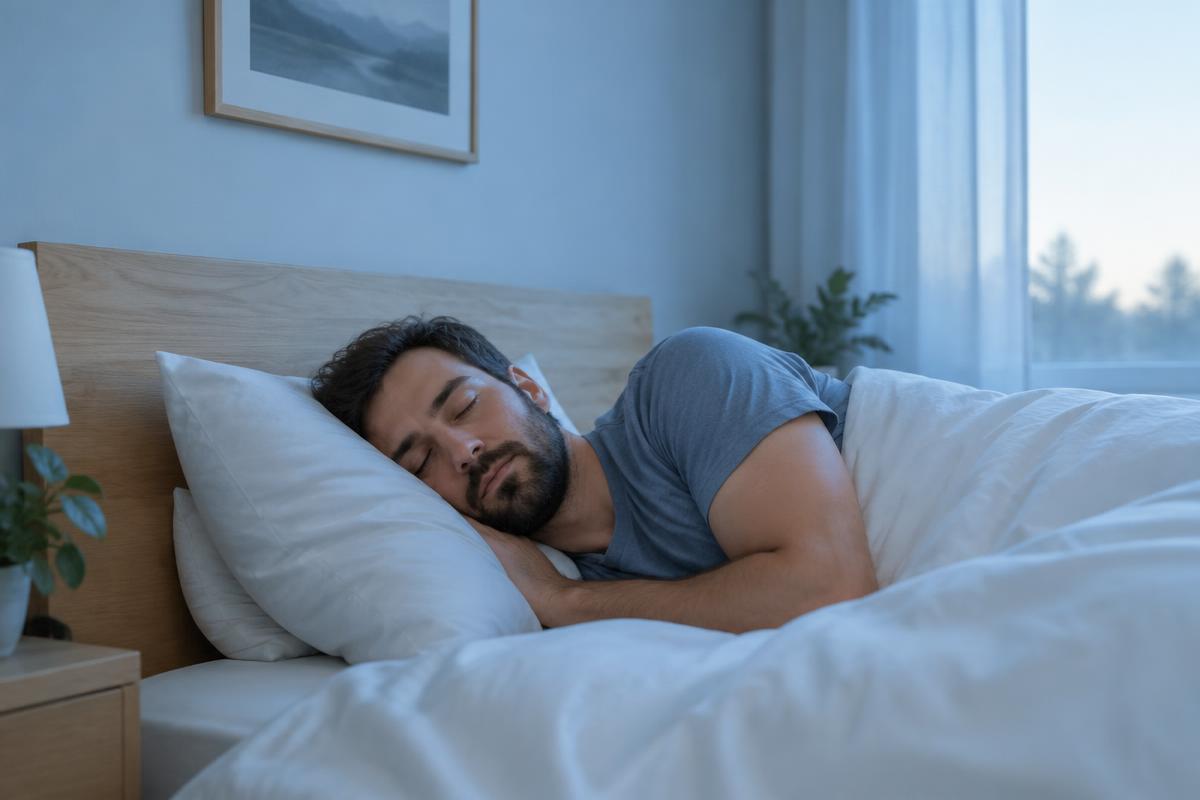
Food and exercise get most of the attention in weight-loss conversations, but sleep is one of the most underrated factors affecting appetite, cravings, and metabolism. Adults who are chronically short on sleep tend to eat more calories, crave higher-calorie foods, and have a harder time losing weight even when their diet and activity look similar to well-rested peers. Understanding why can make sleep a genuine part of your weight-management plan rather than an afterthought.
At Best Version of You in Stroudsburg, PA, sleep is part of the conversation during medical weight loss visits because it can meaningfully affect how well a nutrition plan or medication works.
How Sleep Loss Changes Appetite Hormones
Two hormones are central to this relationship: ghrelin, which stimulates hunger, and leptin, which signals fullness. Several studies have found that short sleep duration is associated with higher ghrelin and lower leptin levels, a combination that increases hunger and reduces the sense of satisfaction after eating. Sleep-deprived individuals in research settings have also shown increased activity in brain regions associated with food reward when shown images of high-calorie foods, suggesting cravings may be both hormonal and neurological.
Insulin sensitivity can also decline after even a few nights of inadequate sleep, which may affect blood sugar regulation and fat storage over time. None of this means one bad night ruins your progress, but a consistent pattern of short or poor-quality sleep can work against your other efforts.
Cravings, Late-Night Eating, and Decision Fatigue
Beyond hormones, fatigue affects decision-making. Many people find that tired evenings lead to less willpower around snacking, more reliance on caffeine and sugar for energy, and a tendency to skip exercise. This is not a character flaw; it is a predictable response to being under-rested. Addressing sleep can make the rest of a weight-management plan easier to follow, rather than requiring more discipline layered on top of exhaustion.
How Much Sleep Is Enough?
Most adults need roughly seven to nine hours of sleep per night, though individual needs vary somewhat. Consistency matters as much as total duration — going to bed and waking at similar times, limiting screens before bed, keeping the bedroom dark and cool, and avoiding large meals, alcohol, or caffeine close to bedtime are reasonable starting points. If you have tried these basics and still wake unrefreshed, snore loudly, or feel excessively sleepy during the day, that points toward a medical evaluation rather than simply trying harder to "sleep hygiene" your way through it.
When to Consider Sleep Apnea Screening
Obstructive sleep apnea is common, often underdiagnosed, and strongly linked with weight. Excess weight, particularly around the neck and abdomen, can narrow the airway during sleep, while poor sleep from undiagnosed apnea can, in turn, make weight management harder — a two-way relationship. Warning signs include loud snoring, witnessed pauses in breathing, gasping or choking during sleep, morning headaches, and significant daytime sleepiness despite adequate time in bed.
If these symptoms sound familiar, mention them at your visit. A referral for a sleep study may be appropriate, and treating sleep apnea — often with CPAP therapy — can improve energy, blood pressure, and in some cases support weight-loss efforts as part of a broader plan. Comprehensive metabolic lab testing can also help rule out other contributors to fatigue, such as thyroid dysfunction or anemia.
Sleep, Stress, and GLP-1 Treatment
Patients using GLP-1 medications sometimes notice sleep changes as their weight and habits shift, and improving sleep can support the results of treatment. If nausea, reflux, or anxiety related to treatment is disrupting your sleep, that is worth discussing rather than tolerating. Our guide on reducing GLP-1 side effects covers several strategies that can indirectly protect sleep quality as well.
Chronic stress and elevated cortisol can also interfere with both sleep and weight regulation. Simple stress-reduction practices — a wind-down routine, limiting screens, light activity during the day — can support both at once. For some patients, additional support such as hormone therapy or testosterone therapy is relevant if hormonal changes are contributing to sleep disruption; this should be evaluated individually.
Building Sleep Into Your Weight-Loss Plan
Rather than treating sleep as separate from diet and exercise, consider it a fourth pillar alongside nutrition, movement, and medical treatment when appropriate. Tracking your typical sleep pattern for a week or two, noting caffeine and alcohol intake, and identifying your biggest obstacle to consistent sleep can help your provider offer more targeted suggestions.
The Connection Between Shift Work and Weight Changes
People who work overnight, rotating, or irregular shifts face a particular challenge, since their sleep schedule often conflicts with their body's natural circadian rhythm. Research on shift workers has found higher rates of weight gain, metabolic syndrome, and difficulty losing weight compared with people who keep consistent daytime schedules, even when calorie intake is similar. If your work schedule makes consistent sleep difficult, this is worth discussing with your provider, since standard sleep hygiene advice may need to be adapted to your situation rather than applied as a one-size-fits-all solution.
Strategies for shift workers can include protecting a consistent sleep window even on days off, using blackout curtains or an eye mask to simulate nighttime during daytime sleep, and being strategic about caffeine timing to avoid interfering with sleep after a shift ends.
Sleep Tracking: Useful Tool or Source of Anxiety?
Wearable sleep trackers have become common, and they can offer useful general trends, such as whether your total sleep time is consistently short or whether your bedtime is highly inconsistent. However, becoming overly focused on precise sleep stage percentages or chasing a perfect "sleep score" can backfire, sometimes creating anxiety that itself interferes with falling asleep, a pattern sometimes called orthosomnia. If tracking your sleep helps you notice patterns and make practical changes, it can be a useful tool. If it becomes a source of nightly stress, it may be more helpful to step back and focus on how you feel during the day instead.
Naps, Caffeine, and Alcohol: What the Evidence Suggests
Short naps of 20 to 30 minutes earlier in the day can help some people manage daytime sleepiness without significantly disrupting nighttime sleep, while long or late naps may make it harder to fall asleep at night. Caffeine has a half-life of several hours, so an afternoon coffee can still be affecting your system at bedtime; many people benefit from cutting off caffeine by early afternoon. Alcohol is sometimes used to help fall asleep, but it tends to fragment sleep later in the night and can worsen snoring and sleep apnea symptoms, which may offset any initial sedative effect.
Trusted sources
For more on the relationship between sleep and weight, see the CDC's information on sleep and health, the National Heart, Lung, and Blood Institute's overview of sleep apnea, and the NIDDK's discussion of sleep and obesity.
Get Support in Stroudsburg or by Telehealth
Simone Blount, FNP-BC, discusses sleep as part of a complete weight-management evaluation, available in person in Stroudsburg, PA, and by telehealth in Pennsylvania, New Jersey, New York, and Delaware. Learn how visits work to get started.
Frequently asked questions
- Can poor sleep really cause weight gain?
- Poor or insufficient sleep is associated with hormone changes that increase hunger and reduce fullness signals, along with increased cravings and reduced willpower, all of which can contribute to weight gain over time.
- How many hours of sleep do I need to support weight loss?
- Most adults benefit from roughly seven to nine hours of consistent, quality sleep per night, though individual needs can vary somewhat.
- What are signs I might have sleep apnea?
- Loud snoring, witnessed pauses in breathing, gasping during sleep, morning headaches, and excessive daytime sleepiness are common warning signs worth discussing with a provider.
- Does treating sleep apnea help with weight loss?
- Treating sleep apnea, often with CPAP therapy, can improve energy and may support weight-management efforts as part of a broader plan, though it is not a standalone weight-loss treatment.
- Can sleep problems affect how well a GLP-1 medication works?
- Sleep disruption can affect appetite regulation and overall well-being, which may influence how a weight-loss plan progresses. Addressing sleep issues is a reasonable part of overall treatment.
- What simple changes can improve sleep quality?
- Consistent sleep and wake times, limiting screens and caffeine before bed, a cool dark bedroom, and avoiding large late meals or alcohol close to bedtime are reasonable starting points.
- When should I see a provider about sleep issues?
- If basic sleep habits don't help, or you have symptoms suggesting sleep apnea, a medical evaluation is appropriate rather than continuing to try self-help measures alone.
- Is this type of evaluation available by telehealth?
- Yes. Best Version of You offers in-person care in Stroudsburg, PA, and telehealth visits throughout Pennsylvania, New Jersey, New York, and Delaware.
Talk it through with Simone
Comprehensive labs, a one-on-one review and a plan built for you — in person in Stroudsburg, PA or by telehealth in PA, NJ, NY and DE.
Book Today