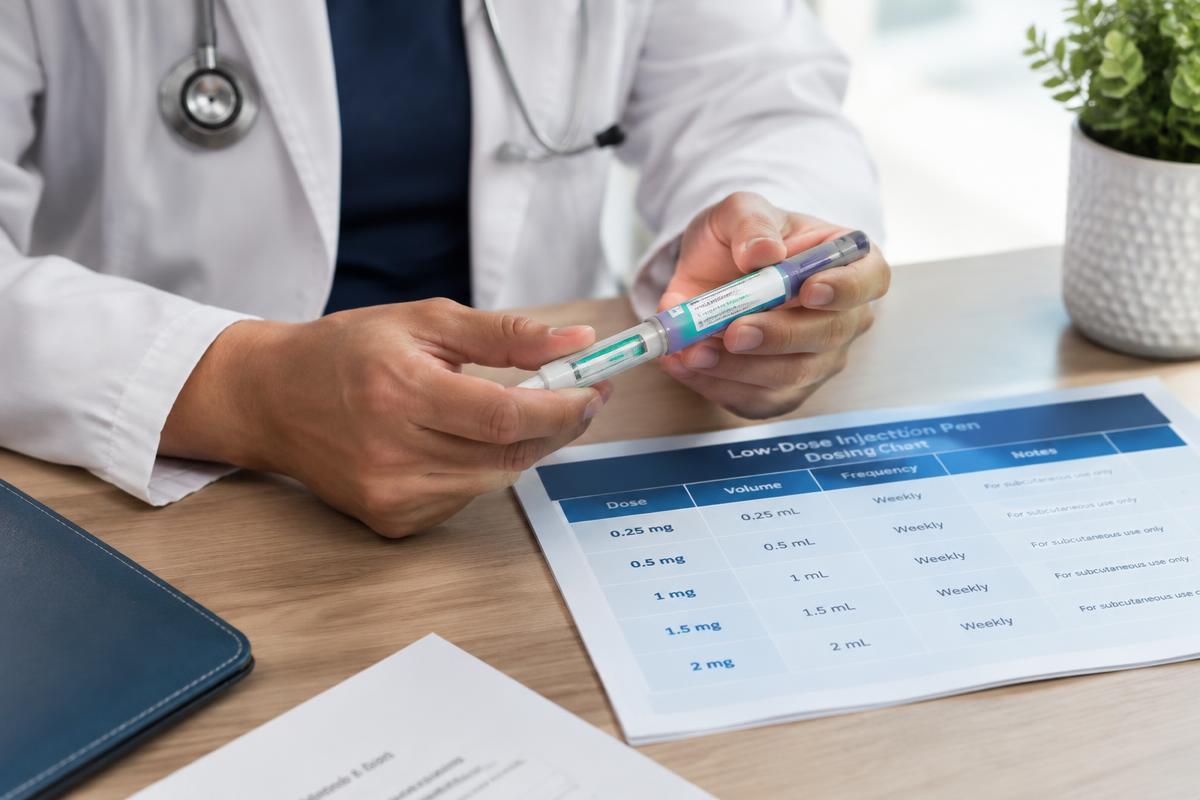
Progesterone cream is sold widely online, in health food stores, and through wellness practitioners, often marketed as a gentle, natural way to balance hormones. For women using estrogen therapy who still have a uterus, the question of whether a progesterone cream provides adequate uterine protection is not a minor detail. It is a safety question with real consequences, and current clinical guidance is clear that over-the-counter and many compounded transdermal progesterone products are not considered reliable for this purpose.
Simone Blount, FNP-BC, a member of The Menopause Society, sees women in Stroudsburg, PA, and by telehealth across Pennsylvania, New Jersey, New York, and Delaware who have questions about hormone therapy safety, including this exact issue. This article explains why the distinction between prescription oral progesterone and over-the-counter creams matters, and what the alternatives look like.
Why the Uterus Needs Protection During Estrogen Therapy
Estrogen stimulates growth of the endometrium, the lining of the uterus. In a natural menstrual cycle, progesterone produced after ovulation balances this effect, causing the lining to mature and eventually shed. When a woman with a uterus takes estrogen therapy without an adequate opposing progestogen, the endometrial lining can continue to thicken unchecked. Over time, this raises the risk of endometrial hyperplasia, a condition that can in some cases progress toward endometrial cancer.
This is why standard hormone therapy guidance, including from The Menopause Society and the American College of Obstetricians and Gynecologists (ACOG), is that women with a uterus who use systemic estrogen therapy need a progestogen (progesterone or a progestin) given in an adequate dose and formulation specifically to protect the endometrium. This is separate from any other symptom relief progesterone might offer; its role here is protective.
Why Over-the-Counter and Many Compounded Creams Fall Short
Over-the-counter progesterone creams are typically classified as cosmetic products, not regulated drugs, which means they are not required to demonstrate consistent dosing, absorption, or clinical efficacy for endometrial protection. Studies that have measured blood and tissue levels after use of low-dose transdermal progesterone creams have generally found inconsistent absorption and levels well below what is needed to reliably oppose estrogen's effect on the endometrium.
Compounded bioidentical hormone preparations, including custom creams made by compounding pharmacies, carry a related concern. While compounding has a legitimate role in medicine for patients with specific needs, compounded hormone products are not subject to the same FDA review and batch-to-batch testing as approved pharmaceutical products. Because of this, the FDA and professional societies including the Endocrine Society have raised concerns that compounded transdermal progesterone, unless shown through adequate testing to provide reliable absorption and endometrial protection, should not be assumed to be a safe substitute for proven approaches.
In short, “natural” and “bioidentical” marketing language does not equal proven endometrial protection. A woman who is told that a cream will “balance” her hormones alongside estrogen therapy, without clear information about dosing adequacy for uterine protection, is in a different situation than one using an approved oral progesterone or a hormonal IUD.
What Does Provide Reliable Protection
Oral micronized progesterone, taken at an appropriate dose as prescribed, is one of the most studied and widely recommended options for endometrial protection alongside estrogen therapy. It has also been studied for its effects on sleep and its relatively favorable profile compared with some synthetic progestins. Dosing and regimen (continuous daily or cyclic) depend on your overall hormone therapy plan and should be individualized.
A levonorgestrel-releasing intrauterine device (hormonal IUD) is another well-established option. It delivers a progestin directly to the uterine lining, which can provide effective endometrial protection for many women using estrogen therapy, and may also help manage heavy or irregular bleeding. Some women prefer this option because it avoids a daily pill and reduces systemic progestin exposure. The right choice between oral progesterone, an IUD, or another regimen depends on your preferences, bleeding history, and overall health. Learn more about how these options fit into a broader plan on our hormone therapy for women page.
What Research on Transdermal Progesterone Has Shown
Clinical researchers have specifically tested whether low-dose, over-the-counter-strength transdermal progesterone creams raise blood and endometrial tissue levels enough to counteract estrogen’s stimulating effect. Several studies measuring serum progesterone after typical cream use found levels that remained far lower than those achieved with oral micronized progesterone at protective doses, even when the cream was applied as directed on the label. This gap between marketing claims and measured outcomes is the central reason major medical organizations do not currently endorse over-the-counter creams as a substitute for proven endometrial protection strategies.
It is worth noting that progesterone is genuinely absorbed through the skin to some degree, which is part of why these products can cause real hormone-related effects, such as mild sedation or breast tenderness, in some users. Absorption occurring at all is different from absorption occurring reliably and in a high enough, consistent dose to protect the endometrium across different skin types, application sites, and individual metabolisms. That inconsistency, more than an absence of any effect, is the core problem from a safety standpoint.
If You Are Already Using a Progesterone Cream
If you are currently using estrogen therapy along with an over-the-counter or compounded progesterone cream, this is worth discussing with your provider rather than simply continuing because it feels natural or convenient. This does not mean every woman using a cream has been harmed, but it does mean the protective assumption behind it has not been reliably demonstrated, and ongoing use deserves a second look, particularly if you have not had endometrial monitoring or if you experience any abnormal bleeding.
Abnormal bleeding on hormone therapy, including spotting, heavier bleeding than expected, or bleeding after it should have stopped, should always be evaluated promptly rather than dismissed as a side effect to wait out. This is covered further in our article on feeling worse on hormone therapy, which addresses when symptoms warrant a call to your provider.
A Full Evaluation Matters More Than a Single Product
Choosing the right progestogen approach is only one part of a safe hormone therapy plan. A thorough evaluation considers your personal and family medical history, any history of blood clots or cancers, your bleeding pattern, and your preferences for pill versus IUD versus other options. Metabolic lab testing can also help clarify other factors that may be contributing to symptoms alongside hormone changes.
At Best Version of You, this conversation happens directly with Simone Blount, FNP-BC, so that any progesterone or progestin recommendation is based on your individual risk profile rather than general marketing claims. You can learn more about how visits work or review telehealth options before scheduling.
Getting Evaluated in Stroudsburg or by Telehealth
If you are starting estrogen therapy, currently using a progesterone product you are unsure about, or simply want a second opinion on your hormone regimen, an individualized review is the safest next step. Best Version of You provides in-person care in Stroudsburg, PA, and telehealth visits throughout Pennsylvania, New Jersey, New York, and Delaware. Explore telehealth hormone replacement therapy or hormone therapy for women to learn more.
Trusted Sources
This article is informed by guidance from The Menopause Society, the American College of Obstetricians and Gynecologists (ACOG), the National Institutes of Health, the Endocrine Society, and the U.S. Food and Drug Administration. It is educational and does not replace individualized medical advice.
Frequently asked questions
- Can progesterone cream protect my uterus while I take estrogen?
- Over-the-counter and many compounded progesterone creams have not been shown to reliably provide the level of endometrial protection needed when using systemic estrogen therapy. Oral micronized progesterone or a hormonal IUD are the options generally supported by current guidance.
- Why is unopposed estrogen a concern for women with a uterus?
- Estrogen stimulates growth of the uterine lining. Without adequate progestogen to balance that effect, the lining can thicken over time, increasing the risk of endometrial hyperplasia and, in some cases, endometrial cancer.
- Is bioidentical progesterone cream safer than prescription progesterone?
- Being labeled bioidentical does not guarantee reliable absorption or dosing. Prescription oral micronized progesterone is FDA-approved with established dosing, while many creams are not regulated in the same way and have shown inconsistent absorption in studies.
- What should I use instead of progesterone cream for uterine protection?
- Oral micronized progesterone and the levonorgestrel-releasing hormonal IUD are two options generally supported for endometrial protection alongside estrogen therapy. The best choice depends on your preferences, bleeding pattern, and medical history.
- I'm already using a progesterone cream with estrogen — what should I do?
- Schedule a review with your provider rather than continuing without evaluation, especially if you have not had any endometrial monitoring or have noticed abnormal bleeding. This does not necessarily mean something is wrong, but it should be assessed.
- Does an IUD work as well as a pill for uterine protection?
- A hormonal IUD can provide effective, localized endometrial protection for many women using estrogen therapy and may also reduce heavy bleeding. Whether it or an oral progesterone is preferable depends on individual factors discussed with your provider.
- Can I get a hormone therapy safety review through telehealth?
- Yes. Best Version of You offers hormone therapy evaluation and ongoing care by telehealth for residents of Pennsylvania, New Jersey, New York, and Delaware, in addition to in-person visits in Stroudsburg, PA.
- What symptoms mean I should call my provider about progesterone or bleeding?
- Any new, heavier, or unexpected vaginal bleeding while on hormone therapy should be reported promptly, along with spotting that persists or bleeding that resumes after stopping. These symptoms warrant timely evaluation rather than waiting.
Talk it through with Simone
Comprehensive labs, a one-on-one review and a plan built for you — in person in Stroudsburg, PA or by telehealth in PA, NJ, NY and DE.
Book Today